
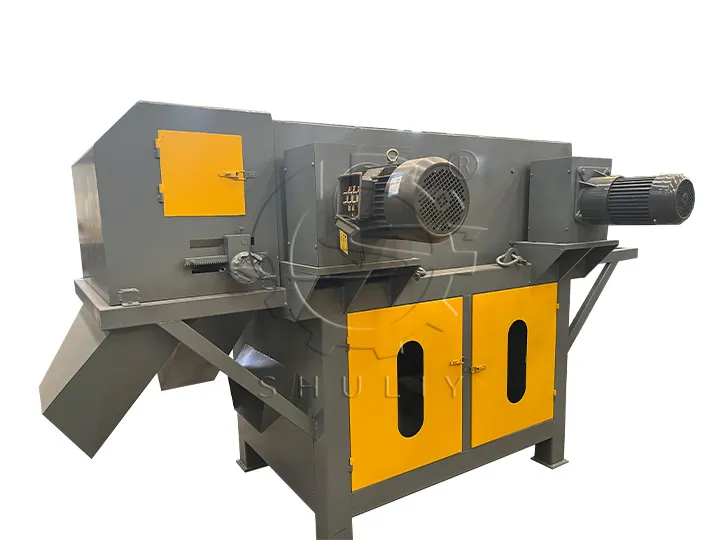
Eddy current separator is one of the non-ferrous metal separation machines we frequently recommend to customers in the recycling industry. It is also known as an eddy current separator machine, copper-aluminum separator, or non-ferrous metal aluminium eddy current. This equipment is mainly used to automatically separate copper, aluminum, and other non-magnetic metals from mixed materials, making it suitable for recycling plants that aim to reduce labor costs and achieve stable long-term operation.
In our communication with customers, we find that most concerns focus on three key points: what materials can be processed, how clean the separation is, and whether the machine is reliable for continuous operation. Below, we introduce the eddy current sorting machine from these practical perspectives.
How We Explain the Working Principle of an Eddy Current Separator
The eddy current separator machine works based on a pure physical separation principle, utilizing the different physical properties of materials in a magnetic field. No chemicals are required during operation, and no waste gas or wastewater is generated, which is especially important for customers with environmental compliance requirements.
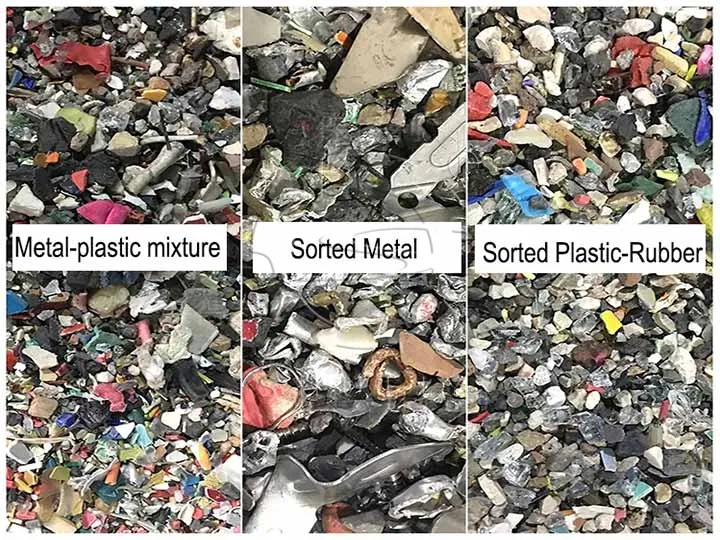
When mixed materials pass through the high-speed rotating magnetic roller, non-magnetic metals such as copper and aluminum generate eddy currents under the alternating magnetic field. As a result, these metals follow a different trajectory from non-metal materials, enabling automatic separation.
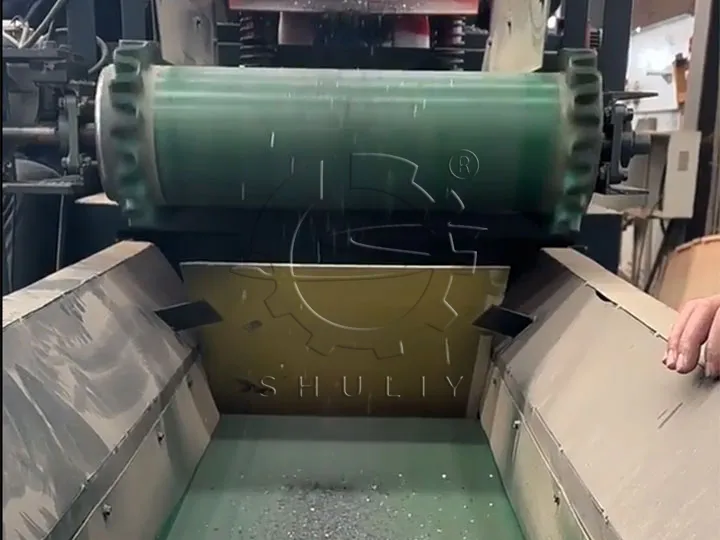
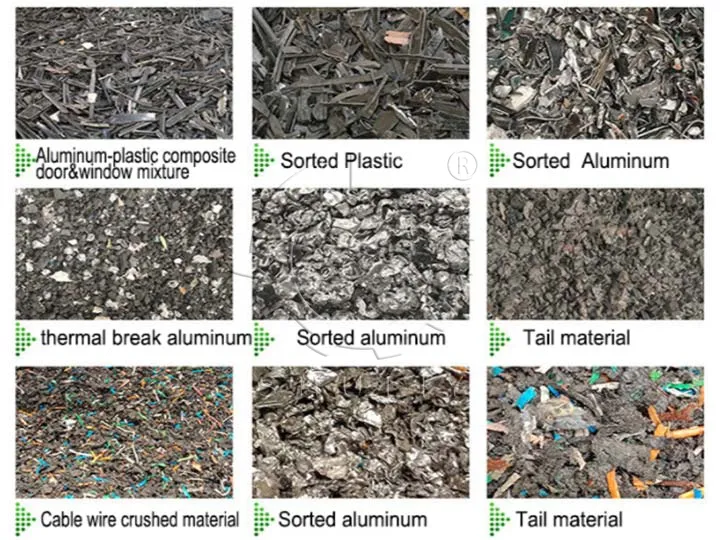
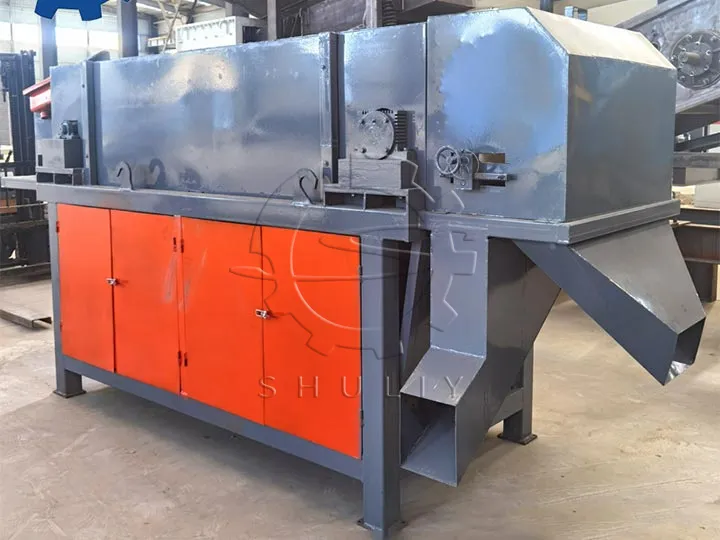
The machine is equipped with four discharge outlets for different material types, including a plastic outlet, a ferrous metal outlet, and a separate outlet for non-ferrous metals such as aluminum and copper, enabling classified recovery of multiple materials.
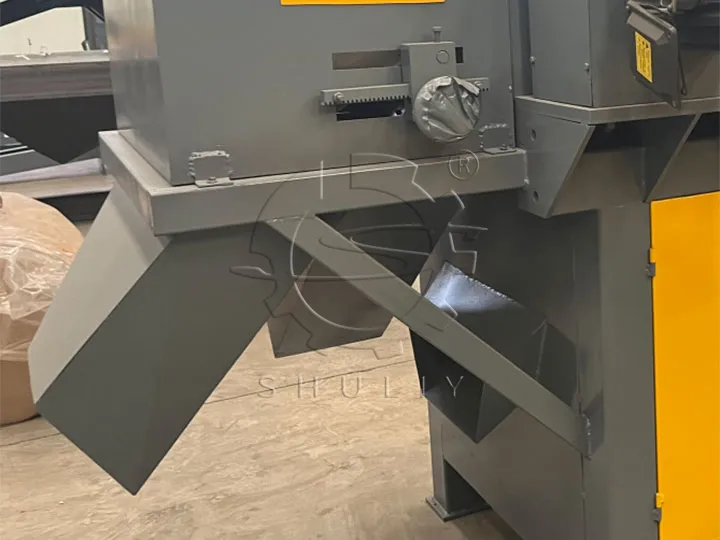
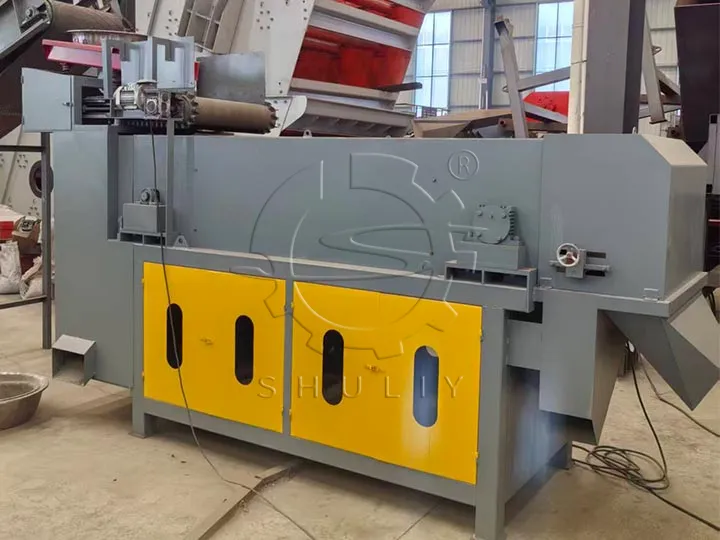
By controlling the forward or reverse rotation of the magnetic roller, the machine can adapt to materials of different sizes. It delivers stable separation performance for materials with a particle size of 2 mm and above.
Eddy Current Separator Aluminium Working Video
What Materials Are Suitable for an Eddy Current Separator Machine?
In real projects, our eddy current sorting machines are commonly used for sorting the following materials:
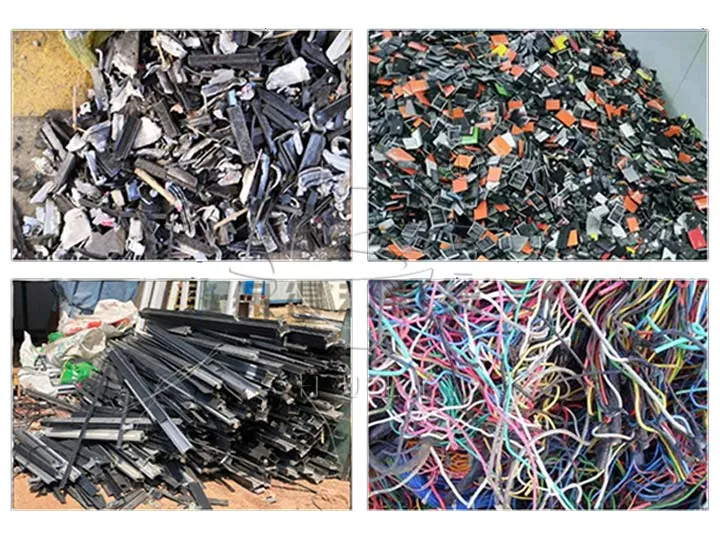
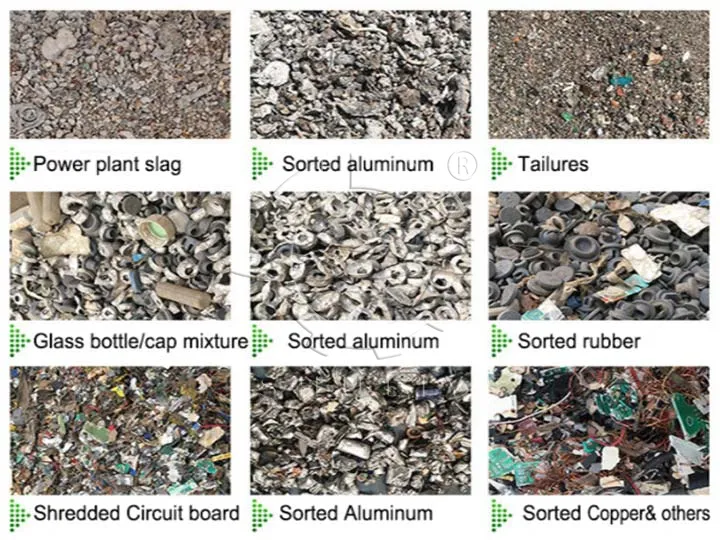
- Shredded municipal solid waste
- Industrial waste and scrap
- Electronic waste and circuit boards
- Glass fragments
- Waste plastic doors and windows
- Municipal wood waste
- Boiler bottom ash
- Mixed metal materials
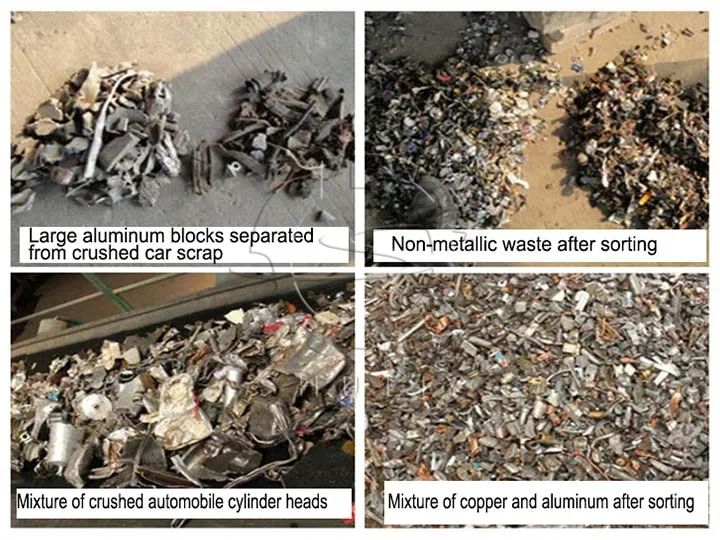
- Shredded scrap automobiles containing copper, aluminum, and other non-ferrous metals
If your material stream contains both non-metals and non-magnetic metals such as copper and aluminum, the eddy current separator is usually recommended as a key downstream sorting machine, working together with crushers and conveying systems.
Why More Customers Are Replacing Manual Sorting
In earlier stages, many recycling plants relied on manual sorting for copper and aluminum separation. However, as processing volumes increase, limitations in efficiency and consistency become more apparent.
Based on customer feedback, eddy current sorters offer several clear advantages over manual sorting:
- Stable and high sorting speed
- High separation accuracy with low metal loss
- Simple operation with reduced labor dependence
- Easy integration into automated production lines
- Wide adaptability to different material sizes
For customers planning long-term operation and cost control, machine-based separation is a more sustainable solution.
Operation and Control Designed for On-Site Use
Intelligent Control System
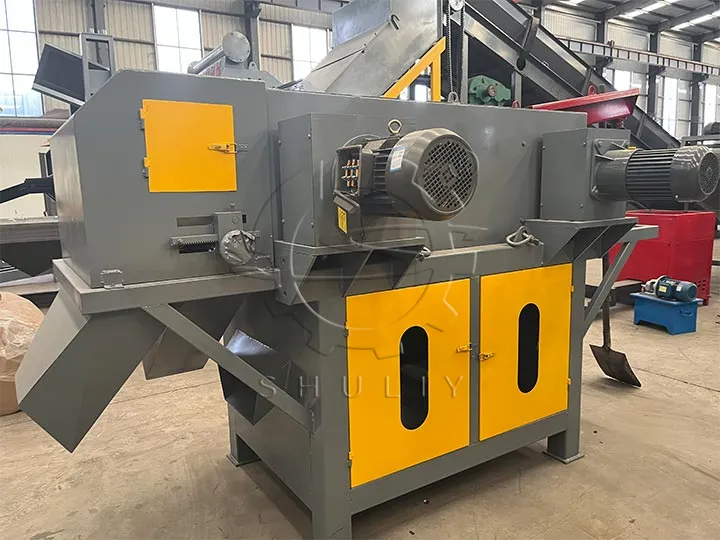
The eddy current aluminum separation is equipped with an intelligent touch-screen control cabinet and frequency conversion control, providing smoother and more reliable operation. Key transmission components use imported bearings, suitable for long-term continuous use.
One-Button Start for Easy Operation
With one-button automatic control, the machine is easy to start and operate. Precision manufacturing and special processing techniques help reduce noise and vibration during operation, making it suitable for workshop environments.
Magnetic System Protection
The magnetic roller is designed with an effective magnetic system protection structure, preventing magnetic system detachment during high-speed operation and ensuring long-term safety.
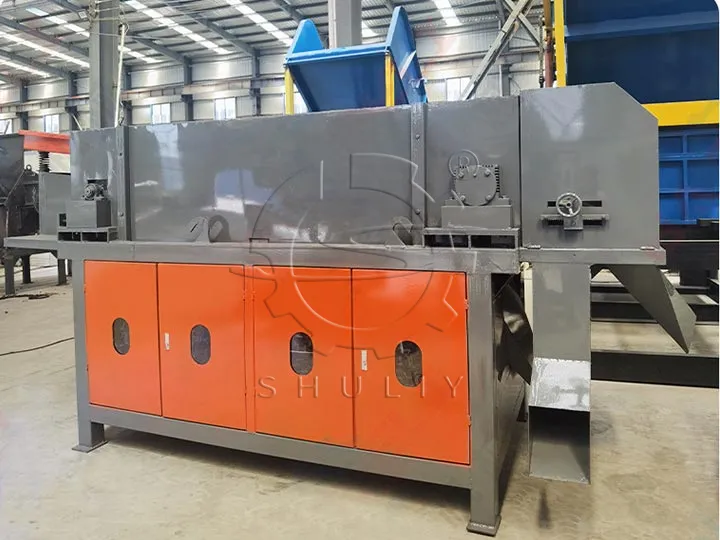
Eddy Current Sorter Models and Technical Parameters
| Model | Power (kW) | Capacity (t/h) | Dimensions (mm) |
| SL-600 | 4.8KW | 500-1T | 3200x1400x1500 |
| SL-800 | 7.2KW | 1-3T | 3700x1600x1700 |
| SL-1000 | 10KW | 2-4T | 3700x1800x1700 |
| SL-1200 | 10KW | 3-5T | 3700x2000x1700 |
Integration into a Complete Metal Crushing and Sorting Line
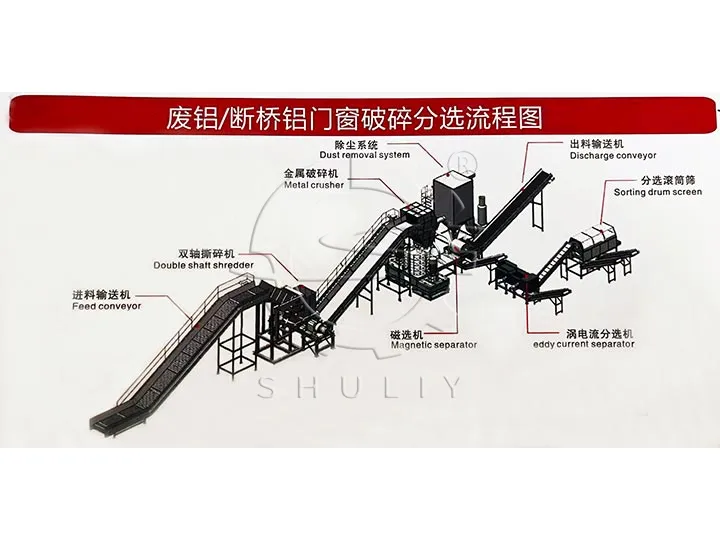
In many projects, the eddy current separator is not used as a standalone machine but integrated into a complete metal crushing and sorting line, which is also commonly referred to as an aluminum breakage (thermal break aluminum) crushing and sorting line.
Based on different material conditions, the typical process flow is:
metal shredder → metal crusher → eddy current separator → dry grinding mill (polishing and rust removal).
In this line, the metal shredder machine is responsible for primary size reduction of bulky scrap materials, followed by the metal crusher for further crushing and liberation. The eddy current aluminum separation then plays a key role in separating aluminum, copper, and other non-ferrous metals from mixed materials. Finally, the dry grinding machine is used for surface polishing and rust removal, improving the cleanliness and appearance of the recovered metals.
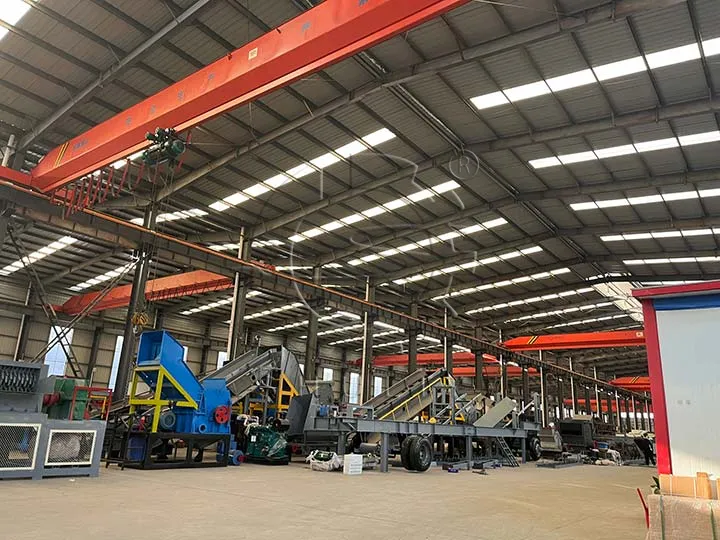
As a supplier, we help customers configure this complete line according to their material type, output requirements, and downstream application needs, ensuring stable operation and effective separation throughout the entire process.
How We Help You Choose the Right Aluminium Eddy Current
As an equipment supplier, our focus is not only on selling machines but on ensuring that the eddy current aluminum separation truly matches your material characteristics and capacity requirements. In practice, an eddy current sorter is usually a key part of a complete recycling line rather than a standalone unit.
Based on your material type, particle size, throughput, and upstream and downstream equipment, we can help you select the appropriate model and provide a stable, long-term separation solution.
If you are evaluating an eddy current separator or would like to discuss its performance with your specific materials, feel free to contact us for more practical and targeted recommendations.