
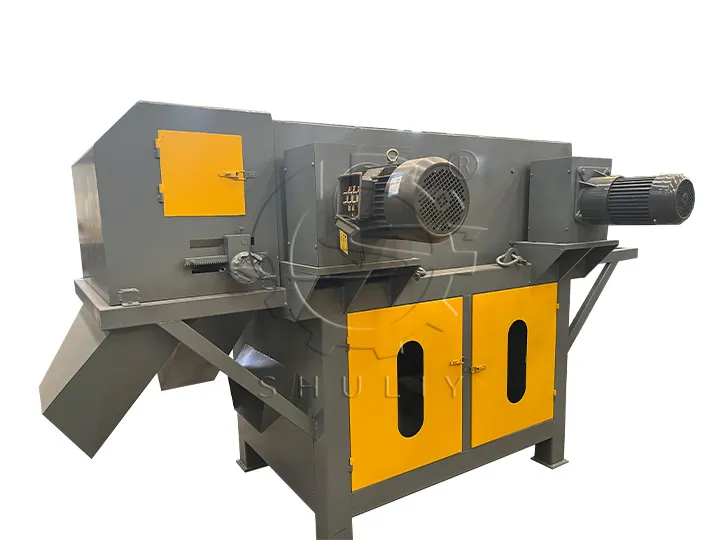
Wirbelstromabscheider ist eine der Nicht-Eisenmetalltrennmaschinen, die wir Kunden in der Recyclingbranche häufig empfehlen. Er ist auch bekannt als Wirbelstromabscheider, Kupfer-Aluminium-Separator oder Nicht-Eisenmetall-Aluminium-Wirbelstrom. Diese Ausrüstung wird hauptsächlich verwendet, um Kupfer, Aluminium und andere nichtmagnetische Metalle automatisch von Mischmaterialien zu trennen, was sie für Recyclinganlagen geeignet macht, die die Arbeitskosten senken und einen stabilen Langzeitbetrieb erreichen möchten.
In our communication with customers, we find that most concerns focus on three key points: what materials can be processed, how clean the separation is, and whether the machine is reliable for continuous operation. Below, we introduce the eddy current sorting machine from these practical perspectives.
Wie wir das Funktionsprinzip eines Wirbelstromabscheiders erklären
The eddy current separator machine works based on a pure physical separation principle, utilizing the different physical properties of materials in a magnetic field. No chemicals are required during operation, and no waste gas or wastewater is generated, which is especially important for customers with environmental compliance requirements.
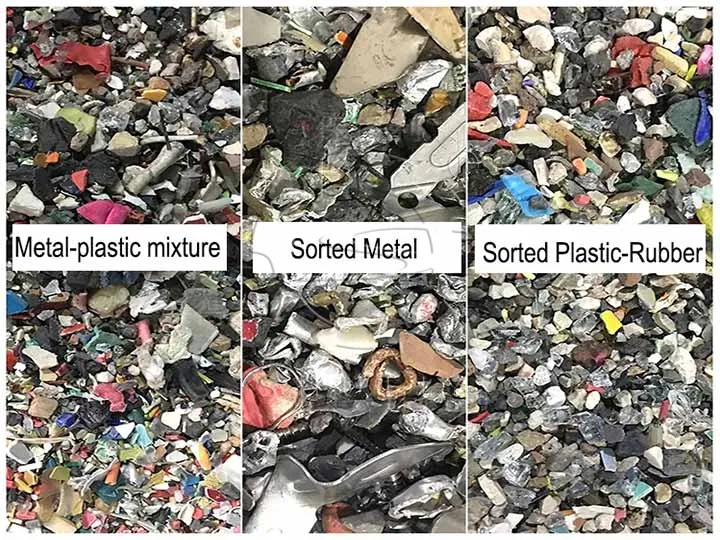
Wenn Mischmaterialien durch die hochgeschwindigkeitsrotierende Magnetwalze passieren, erzeugen nichtmagnetische Metalle wie Kupfer und Aluminium Wirbelströme unter dem wechselnden Magnetfeld. Dadurch folgen diese Metalle einer anderen Trajektorie als Nichtmetalle, was eine automatische Trennung ermöglicht.
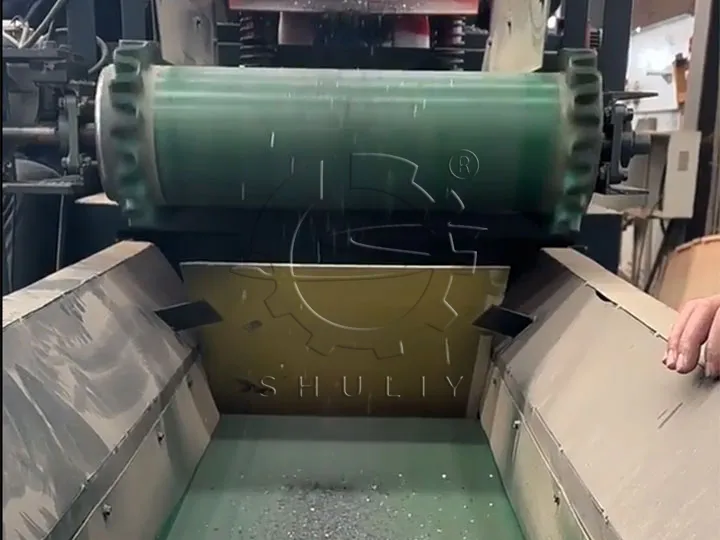
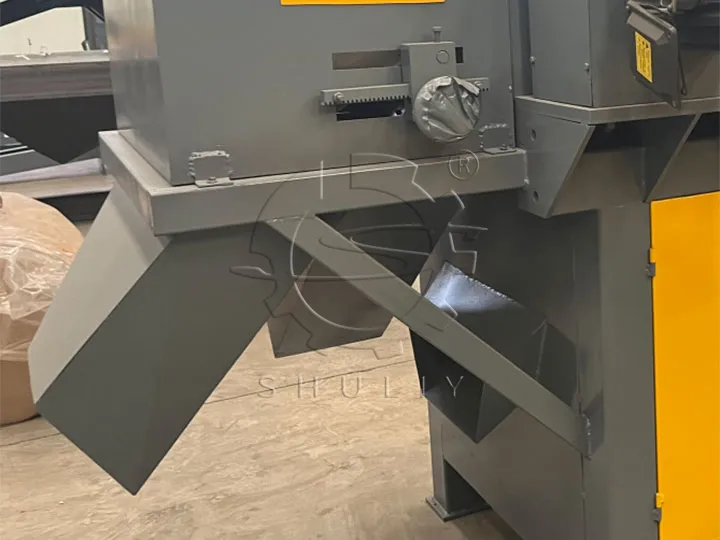
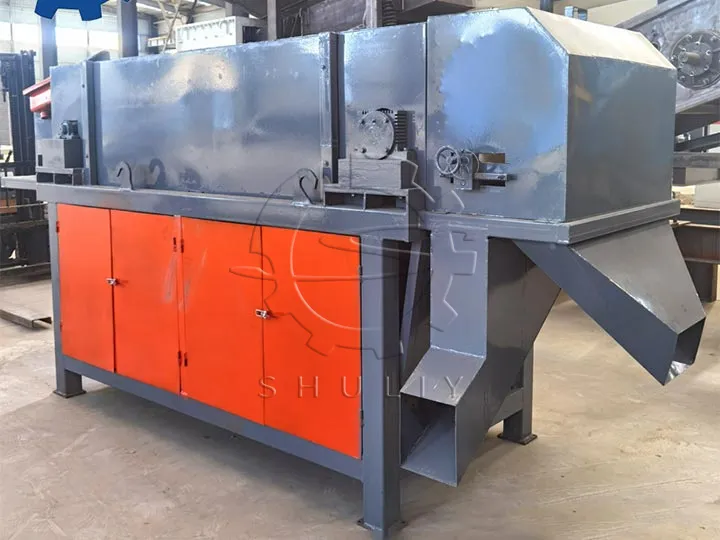
Die Maschine ist mit vier Ablaufflächen für verschiedene Materialarten ausgestattet, darunter eine Kunststoffaustritt, eine Eisenmetall-Austritt und eine separate Austrittsöffnung für Nicht-Eisenmetalle wie Aluminium und Kupfer, was eine sortierte Rückgewinnung mehrerer Materialien ermöglicht.
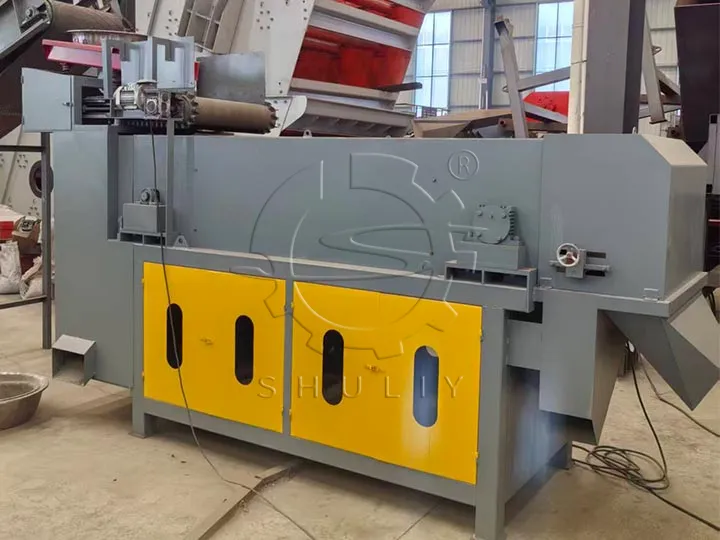
By controlling the forward or reverse rotation of the magnetic roller, the machine can adapt to materials of different sizes. It delivers stable separation performance for materials with a particle size of 2 mm and above.
Video zur Funktionsweise des Aluminium-Wirbelstromseparators
Welche Materialien eignen sich für eine Wirbelstrommaschine?
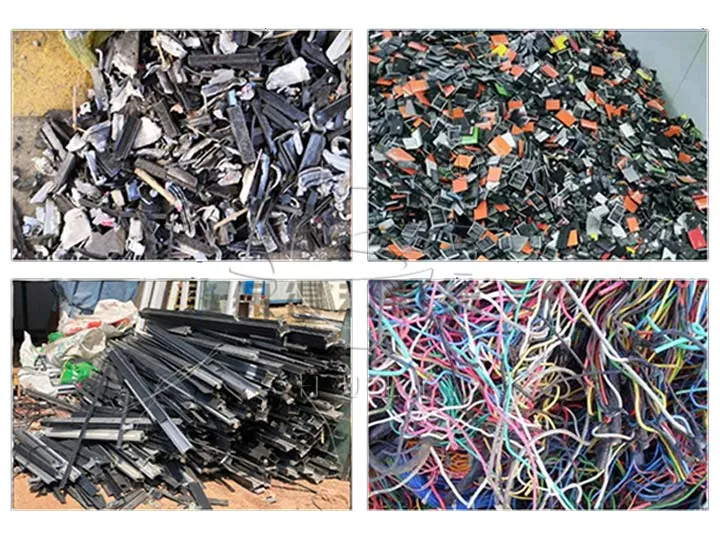
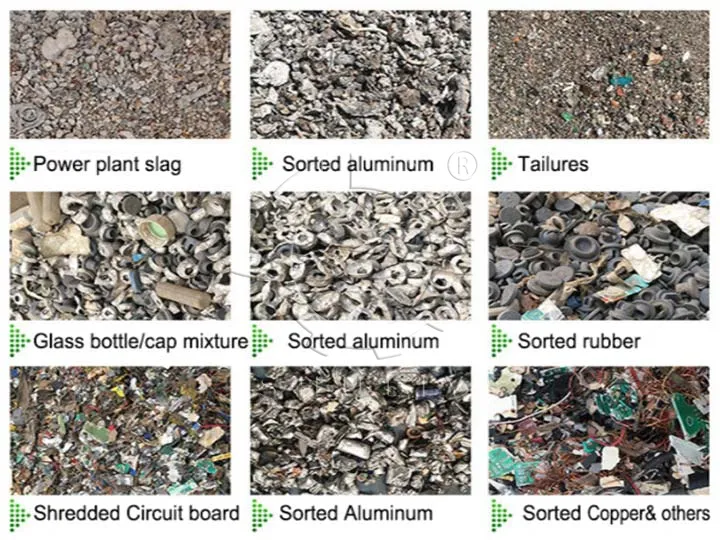
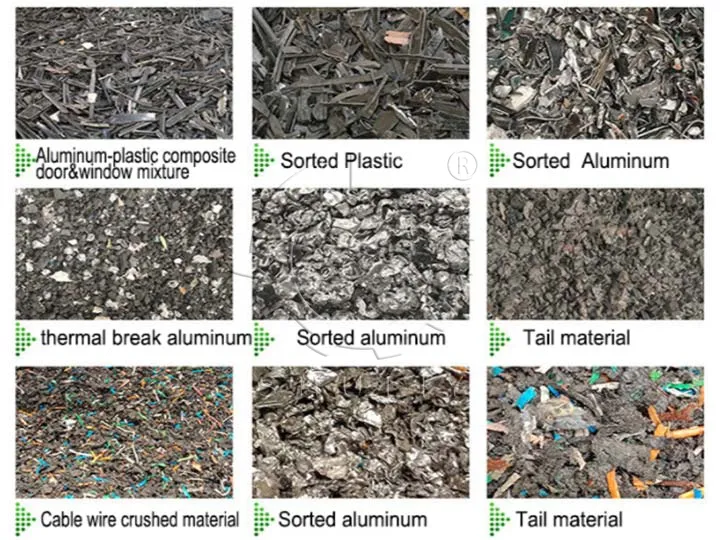
In echten Projekten werden unsere Wirbelstromsortiermaschinen häufig zum Sortieren der folgenden Materialien verwendet:
- Zerkleinerter kommunaler Siedlungsabfall
- Industriemüll und Schrott
- Elektronikschrott und Leiterplatten
- Glassplitter
- Abfallplastiktüren und -fenster
- Kommunaler Holzabfall
- Kesselbodenasche
- Gemischte Metallmaterialien
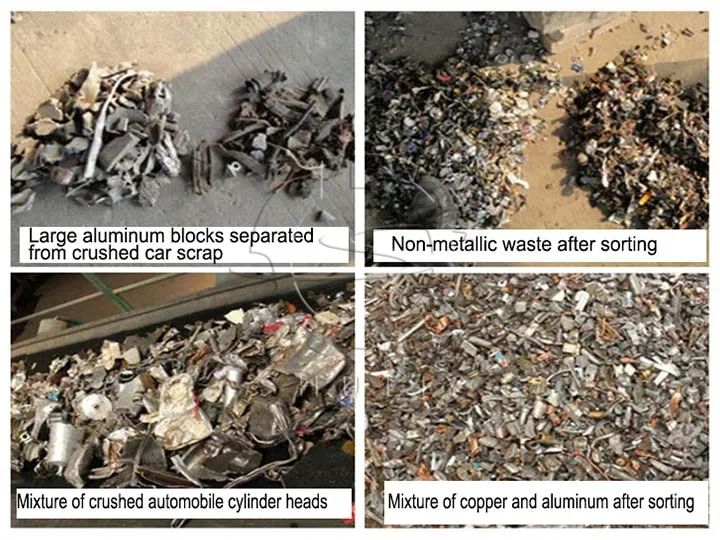
- Zerkleinerter Schrottwagen mit Kupfer, Aluminium und anderen Nichteisenmetallen
Wenn Ihr Materialstrom sowohl Nichtmetalle als auch nichtmagnetische Metalle wie Kupfer und Aluminium enthält, wird der Wirbelstromseparator in der Regel als Schlüssel nachgelagerter Sortiermaschine empfohlen, die zusammen mit Brechern und Fördersystemen arbeitet.
Warum immer mehr Kunden manuelle Sortierung ersetzen
In früheren Phasen setzten viele Recyclinganlagen auf manuelle Sortierung bei der Kupfer- und Aluminiumtrennung. Mit zunehmendem Verarbeitungsvolumen werden jedoch Effizienz- und Konsistenzprobleme deutlicher sichtbar.
Basierend auf Kundenfeedback bieten Wirbelstromsortierer mehrere klare Vorteile gegenüber manueller Sortierung:
- Stabile und hohe Trönggeschwindigkeit
- Hohe Trennpräzision bei geringem Metallverlust
- Einfache Bedienung mit geringem Arbeitsaufwand
- Einfache Integration in automatisierte Produktionslinien
- Breite Anpassungsfähigkeit an verschiedene Materialgrößen
Für Kunden, die eine langfristige Betriebsführung und Kostenkontrolle planen, ist die maschinenbasierte Trennung eine nachhaltigere Lösung.
Betrieb und Steuerung für den Einsatz vor Ort konzipiert
Intelligentes Steuerungssystem
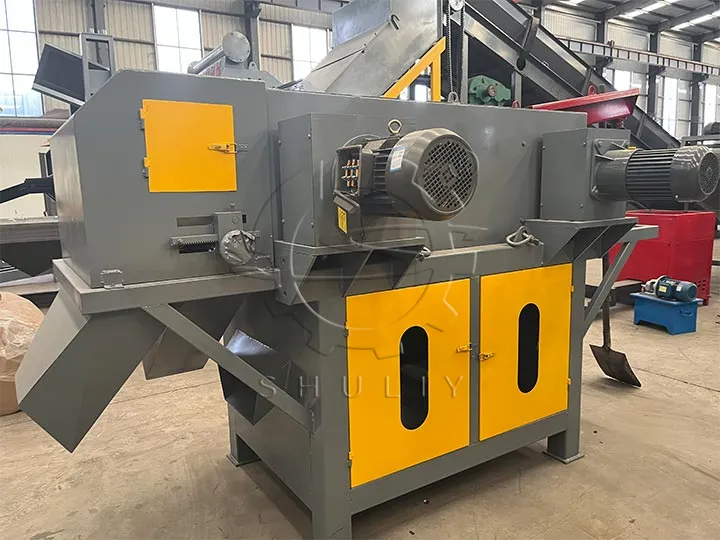
Der Wirbelstrom-Aluminiumtrennprozess ist mit einem intelligenten Touchscreen-Steuerkasten und Frequenzumrichtersteuerung ausgestattet, was einen reibungsloseren und zuverlässigeren Betrieb ermöglicht. Wichtige Antriebskomponenten verwenden importierte Lager, geeignet für den Dauerbetrieb.
Ein-Knopf-Start für einfache Bedienung
Mit einer Ein-Knopf-Automatiksteuerung ist die Maschine einfach zu starten und zu bedienen. Präzise Fertigung und spezielle Verarbeitungstechniken helfen, Geräusch- und Vibrationspegel während des Betriebs zu reduzieren, was sie für Werkstattumgebungen geeignet macht.
Magnetfeldsystemschutz
Der Magnetwalzen ist mit einer effektiven Schutzstruktur für das Magnetfeldsystem ausgestattet, die das Ablösen des Magnetfeldsystems bei Hochgeschwindigkeitsbetrieb verhindert und langfristige Sicherheit gewährleistet.
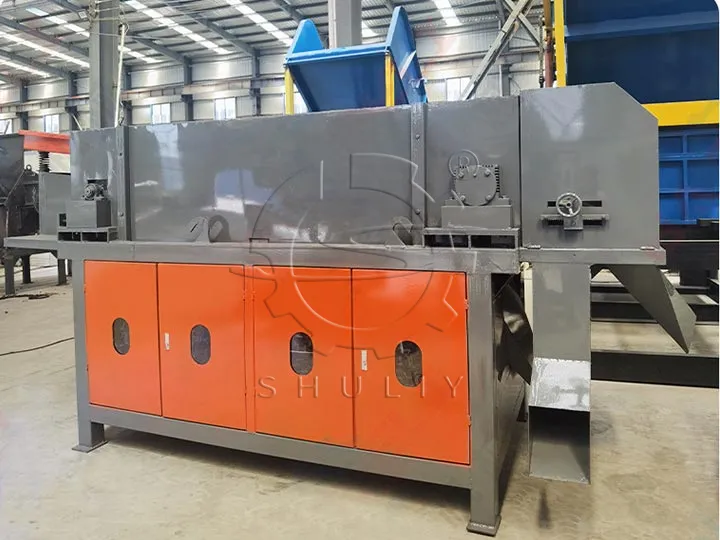
Modelle und technische Parameter des Wirbelstromsortierers
| Modell | Leistung (kW) | Kapazität (t/h) | Abmessungen (mm) |
| SL-600 | 4,8KW | 500-1T | 3200x1400x1500 |
| SL-800 | 7,2KW | 1-3T | 3700x1600x1700 |
| SL-1000 | 10KW | 2-4T | 3700x1800x1700 |
| SL-1200 | 10KW | 3-5T | 3700x2000x1700 |
Integration in eine vollständige Metallzerkleinerungs- und Sortierlinie
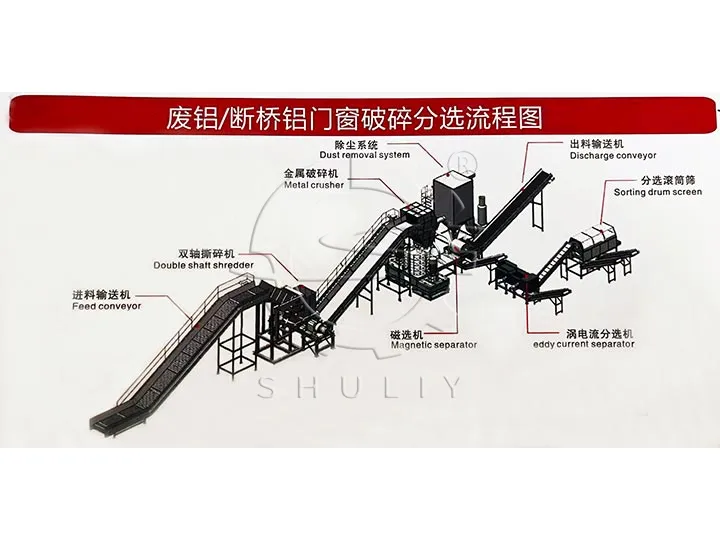
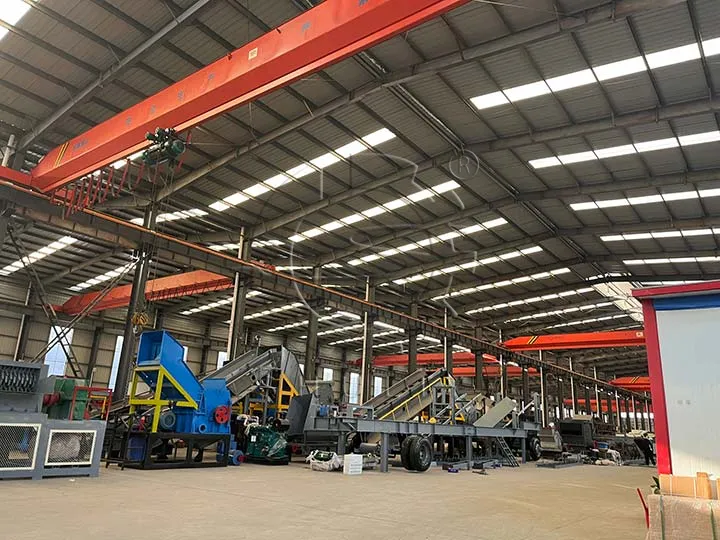
In vielen Projekten wird der Wirbelstromseparator nicht als eigenständige Maschine verwendet, sondern in eine vollständige Metallzerkleinerungs- und Sortierlinie integriert, die auch als Aluminiumbruch- (thermischer Bruch-Aluminium-) Zerkleinerungs- und Sortierlinie bezeichnet wird.
Based on different material conditions, the typical process flow is:
metal shredder → Metallschredder → eddy current separator → dry grinding mill (polishing and rust removal).
In dieser Linie ist die Metallzerkleinerungsmaschine für die primäre Größenreduzierung von sperrigem Schrottmaterial verantwortlich, gefolgt vom Metallbrecher für die weitere Zerkleinerung und Freilegung. Der Wirbelstrom-Aluminiumtrennprozess spielt dann eine Schlüsselrolle bei der Trennung von Aluminium, Kupfer und anderen Nichteisenmetallen aus dem Mischmaterial. Schließlich wird die Trockenmahlmaschine für Oberflächenpolitur und Rostentfernung eingesetzt, um die Sauberkeit und das Erscheinungsbild der recycelten Metalle zu verbessern.
Als Anbieter helfen wir Kunden, diese komplette Linie entsprechend ihrem Materialtyp, den Ausgabewerten und den Anforderungen an die nachgelagerten Anwendungen zu konfigurieren, um einen stabilen Betrieb und eine effektive Trennung im gesamten Prozess zu gewährleisten.
Wie wir Ihnen bei der Auswahl des richtigen Aluminium-Wirbelstroms helfen
Als Geräteanbieter liegt unser Fokus nicht nur auf dem Verkauf von Maschinen, sondern darauf, sicherzustellen, dass die Wirbelstrom-Aluminiumtrennung wirklich auf Ihre Materialeigenschaften und Kapazitätsanforderungen abgestimmt ist. In der Praxis ist ein Wirbelstromsortierer meist ein wichtiger Bestandteil einer vollständigen Recyclinglinie, anstatt eine eigenständige Einheit.
Basierend auf Ihrem Materialtyp, Partikelgröße, Durchsatz und Vor- sowie Nachgelagerten Anlagen können wir Ihnen helfen, das passende Modell auszuwählen und eine stabile, langfristige Trennlösung zu bieten.
Wenn Sie einen Wirbelstromseparator bewerten oder seine Leistung mit Ihren spezifischen Materialien besprechen möchten, kontaktieren Sie uns gerne für praktischere und gezieltere Empfehlungen.