
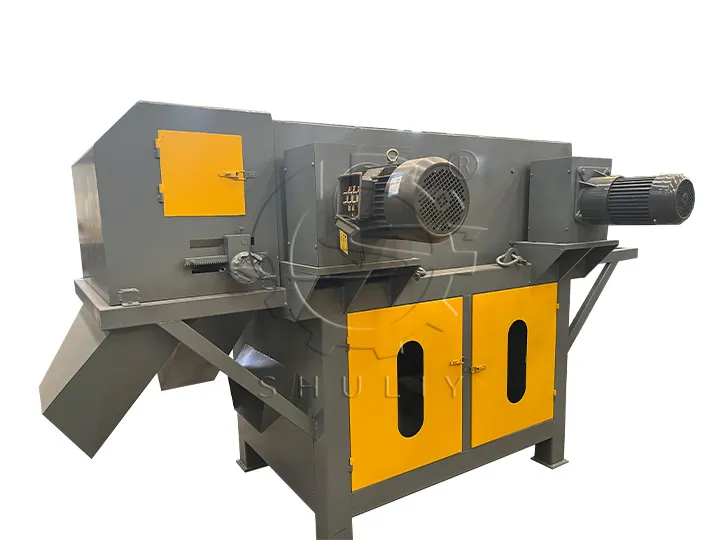
Máy tách dòng điện Eddy là một trong những máy tách kim loại phi sắt mà chúng tôi thường xuyên giới thiệu cho khách hàng trong ngành tái chế. Nó còn được biết đến như một máy tách dòng điện Eddy, tách đồng nhôm, hoặc tách kim loại phi sắt bằng dòng điện Eddy. Thiết bị này chủ yếu dùng để tự động tách đồng, nhôm và các kim loại phi từ khác khỏi vật liệu hỗn hợp, phù hợp cho các nhà máy tái chế nhằm giảm chi phí lao động và duy trì hoạt động ổn định lâu dài.
In our communication with customers, we find that most concerns focus on three key points: what materials can be processed, how clean the separation is, and whether the machine is reliable for continuous operation. Below, we introduce the eddy current sorting machine from these practical perspectives.
Cách chúng tôi Giải thích Nguyên lý hoạt động của Máy tách dòng điện Eddy
The eddy current separator machine works based on a pure physical separation principle, utilizing the different physical properties of materials in a magnetic field. No chemicals are required during operation, and no waste gas or wastewater is generated, which is especially important for customers with environmental compliance requirements.
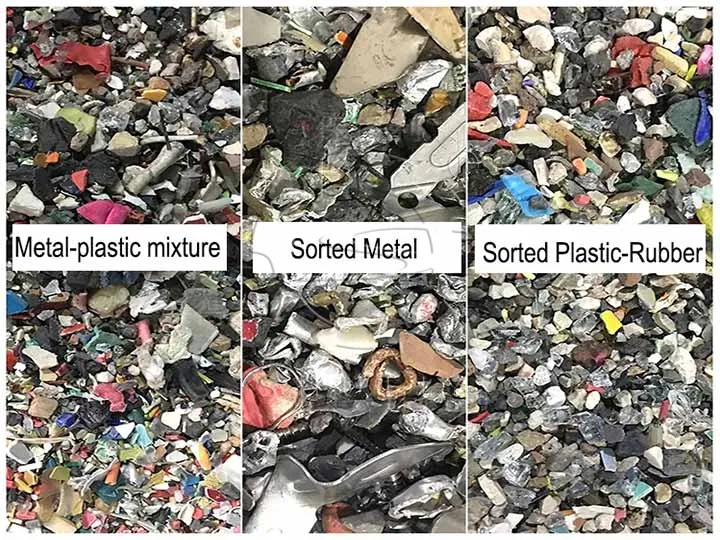
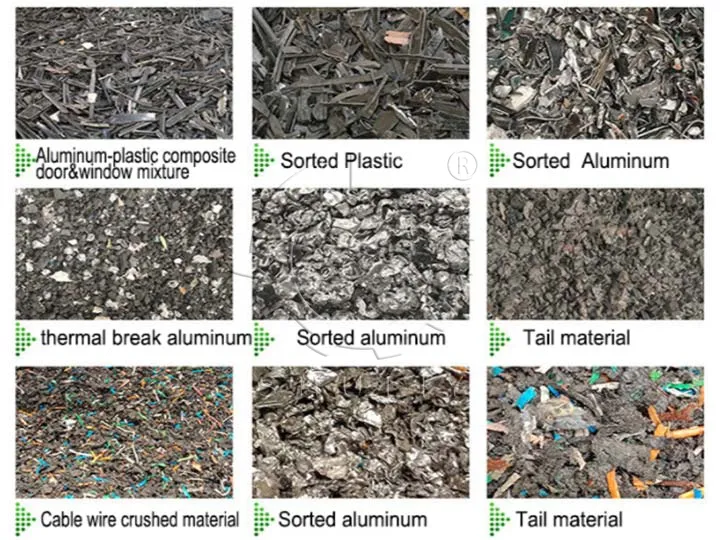
Khi các vật liệu hỗn hợp đi qua con lăn từ trường quay với tốc độ cao, các kim loại phi từ như đồng và nhôm tạo ra dòng điện Eddy dưới tác dụng của trường từ biến thiên. Kết quả là, các kim loại này theo một quỹ đạo khác với các vật liệu không kim loại, cho phép tách tự động.
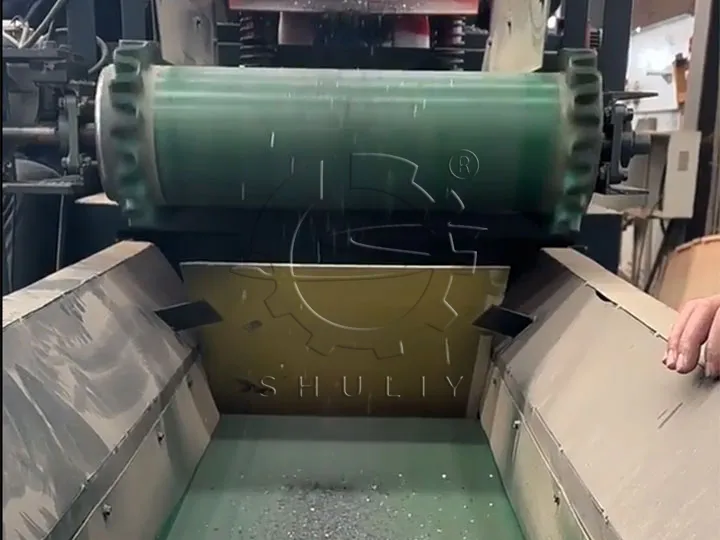
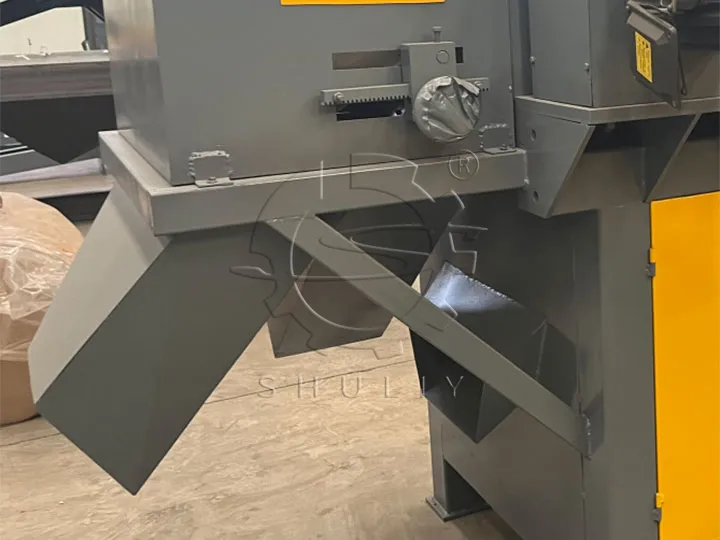
Máy được trang bị bốn lỗ xả để phân loại các loại vật liệu khác nhau, bao gồm lỗ xả nhựa, lỗ xả kim loại sắt, và một lỗ xả riêng cho các kim loại phi sắt như nhôm và đồng, cho phép thu hồi phân loại nhiều loại vật liệu.
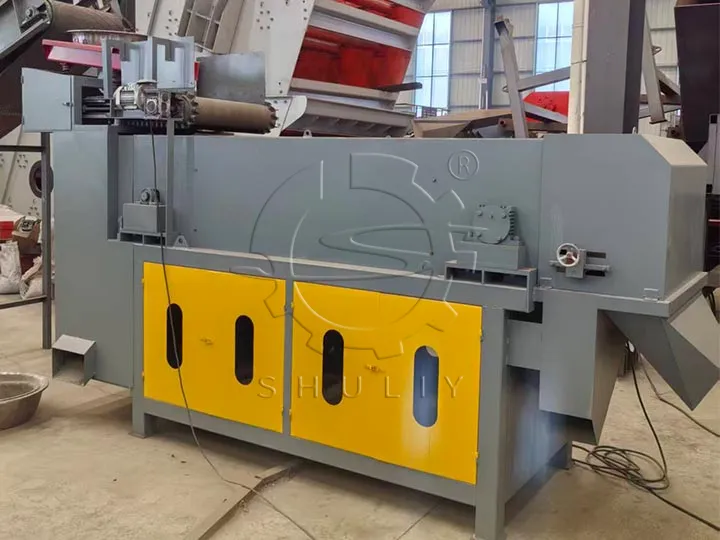
By controlling the forward or reverse rotation of the magnetic roller, the machine can adapt to materials of different sizes. It delivers stable separation performance for materials with a particle size of 2 mm and above.
Video hoạt động của máy tách dòng xoáy nhôm
Vật liệu nào phù hợp cho máy tách dòng xoáy?
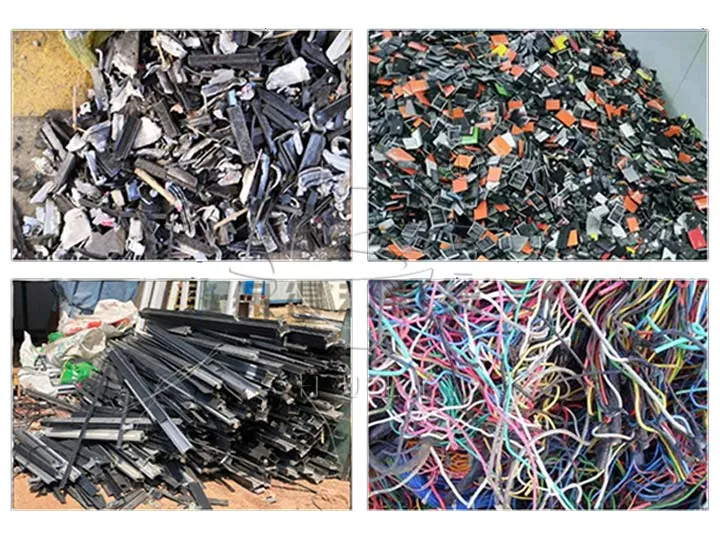
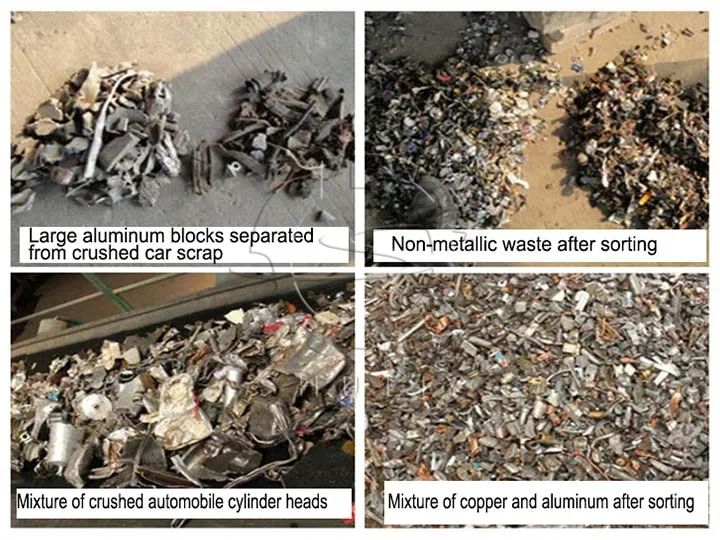
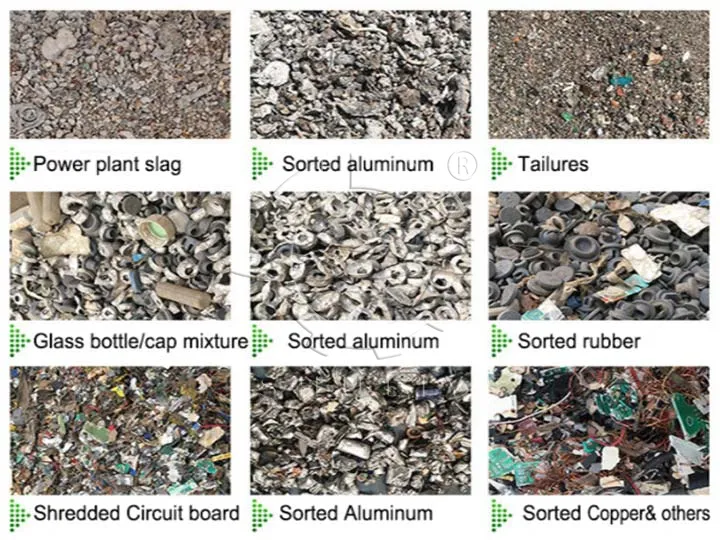
Trong các dự án thực tế, máy tách dòng xoáy của chúng tôi thường được sử dụng để phân loại các vật liệu sau:
- Chất thải rắn đô thị nghiền
- Chất thải công nghiệp và phế liệu
- Chất thải điện tử và bảng mạch
- Mảnh vỡ thủy tinh
- Cửa sổ và cửa nhựa thải
- Chất thải gỗ đô thị
- Tro đá đáy nồi hơi
- Vật liệu kim loại hỗn hợp
- Phế liệu xe ô tô nghiền chứa đồng, nhôm và các kim loại phi ferrous khác
Nếu dòng vật liệu của bạn chứa cả phi kim loại và kim loại phi từ như đồng và nhôm, máy tách dòng xoáy thường được khuyến nghị như một máy phân loại phía sau chính, hoạt động cùng với máy nghiền và hệ thống băng tải.
Tại sao nhiều khách hàng hơn đang thay thế phân loại thủ công
Trong các giai đoạn đầu, nhiều nhà máy tái chế dựa vào phân loại thủ công để tách đồng và nhôm. Tuy nhiên, khi khối lượng xử lý tăng lên, những hạn chế về hiệu quả và độ nhất quán trở nên rõ ràng hơn.
Dựa trên phản hồi của khách hàng, máy tách dòng xoáy mang lại nhiều lợi ích rõ ràng hơn so với phân loại thủ công:
- Tốc độ phân loại ổn định và cao
- Độ chính xác phân tách cao, mất kim loại thấp
- Vận hành đơn giản, giảm phụ thuộc vào lao động
- Dễ dàng tích hợp vào dây chuyền sản xuất tự động
- Khả năng thích ứng rộng với các kích thước vật liệu khác nhau
Đối với khách hàng dự định vận hành lâu dài và kiểm soát chi phí, phân tách dựa trên máy móc là giải pháp bền vững hơn.
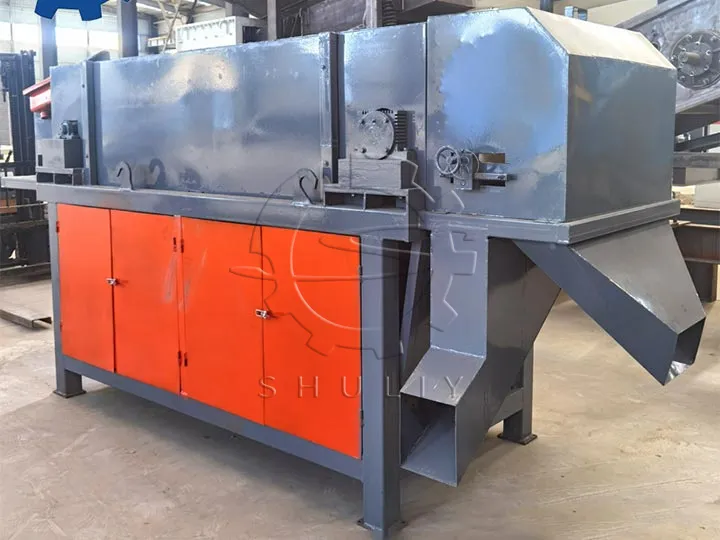
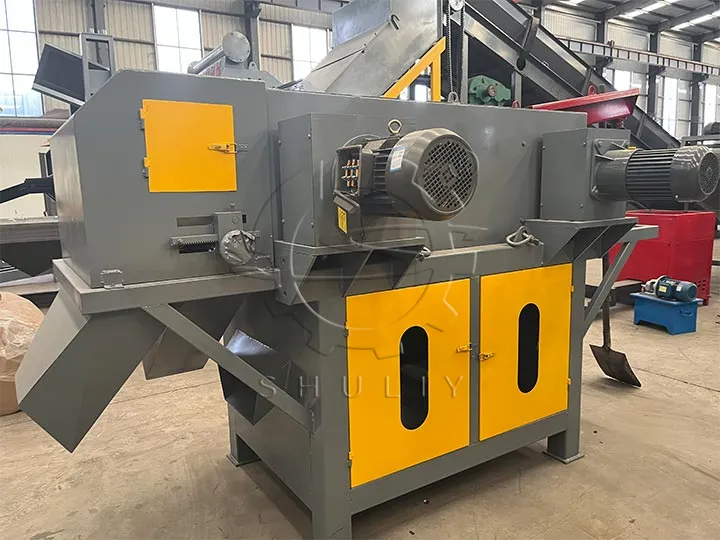
Chức năng vận hành và điều khiển thiết kế cho sử dụng tại chỗ
Hệ thống điều khiển thông minh
Việc tách nhôm dòng xoáy được trang bị tủ điều khiển cảm ứng thông minh và điều khiển biến tần, cung cấp hoạt động mượt mà và đáng tin cậy hơn. Các bộ truyền động chính sử dụng bạc đạn nhập khẩu, phù hợp cho sử dụng liên tục lâu dài.
Bật một nút để vận hành dễ dàng
Với điều khiển tự động một nút, máy dễ khởi động và vận hành. Công nghệ chế tạo chính xác và kỹ thuật xử lý đặc biệt giúp giảm tiếng ồn và rung động trong quá trình vận hành, phù hợp với môi trường xưởng.
Bảo vệ hệ thống từ
Bánh xe từ được thiết kế với cấu trúc bảo vệ hệ thống từ hiệu quả, ngăn ngừa rơi rớt hệ thống từ trong quá trình vận hành tốc độ cao và đảm bảo an toàn lâu dài.
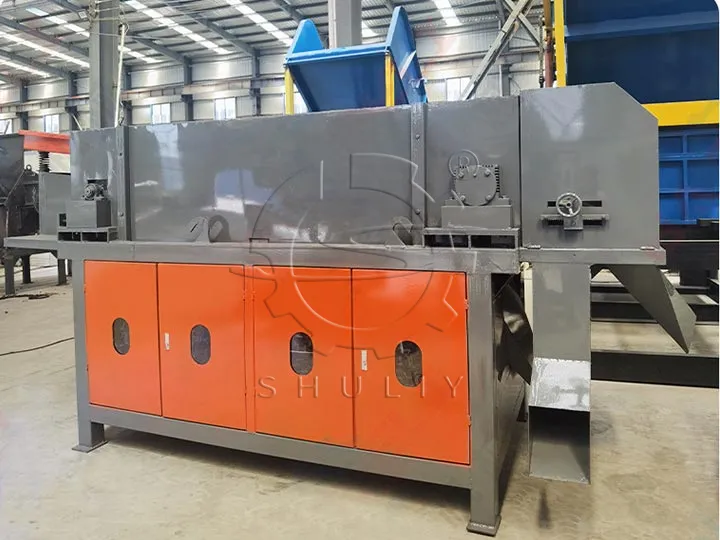
Mô hình và thông số kỹ thuật của máy tách dòng xoáy
| Người mẫu | Công suất (kW) | Sản lượng (t/h) | Kích thước (mm) |
| SL-600 | 4.8KW | 500-1T | Kích thước 3200x1400x1500 |
| SL-800 | 7.2KW | 1-3T | 3700x1600x1700 |
| SL-1000 | 10KW | 2-4T | 3700x1800x1700 |
| SL-1200 | 10KW | 3-5T | 3700x2000x1700 |
Tích hợp vào dây chuyền nghiền và phân loại kim loại hoàn chỉnh
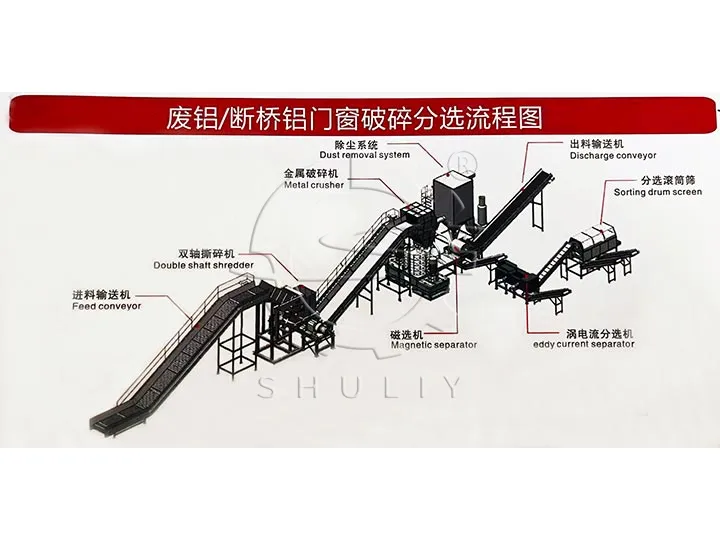
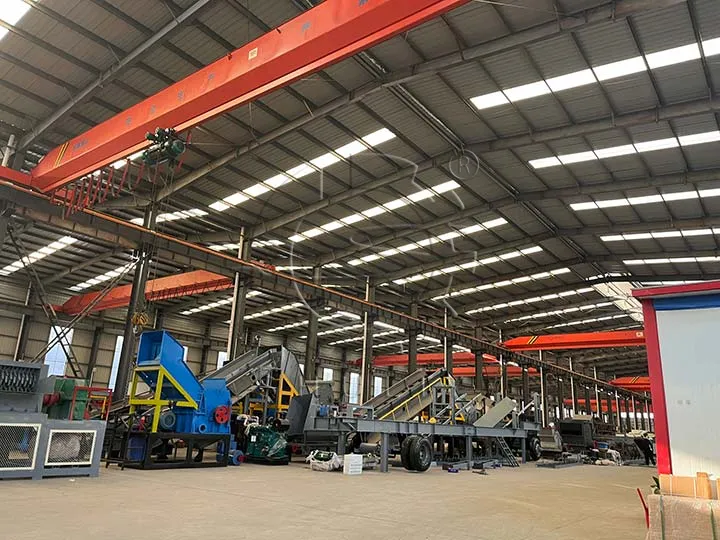
Trong nhiều dự án, máy tách dòng xoáy không được sử dụng như một máy độc lập mà tích hợp vào dây chuyền nghiền và phân loại kim loại hoàn chỉnh, còn gọi là dây chuyền nghiền và phân loại nhôm (dây chuyền nghiền nhôm nhiệt).
Based on different material conditions, the typical process flow is:
metal shredder → máy nghiền kim loại → eddy current separator → dry grinding mill (polishing and rust removal).
Trong dây chuyền này, máy nghiền kim loại chịu trách nhiệm giảm kích thước sơ bộ của các vật liệu phế liệu lớn, tiếp theo là máy nghiền kim loại để nghiền và giải phóng thêm. Phân tách nhôm dòng xoáy sau đó đóng vai trò chính trong việc tách nhôm, đồng và các kim loại phi ferrous khác khỏi các vật liệu hỗn hợp. Cuối cùng, máy mài khô được sử dụng để đánh bóng bề mặt và loại bỏ rỉ sét, nâng cao độ sạch và vẻ ngoài của kim loại thu hồi.
Là nhà cung cấp, chúng tôi giúp khách hàng cấu hình dây chuyền này phù hợp với loại vật liệu, yêu cầu đầu ra và nhu cầu ứng dụng phía sau, đảm bảo vận hành ổn định và phân tách hiệu quả trong toàn bộ quá trình.
Cách chúng tôi giúp bạn chọn đúng máy tách dòng nhôm dòng xoáy
Là nhà cung cấp thiết bị, chúng tôi không chỉ bán máy móc mà còn đảm bảo rằng việc tách nhôm dòng xoáy phù hợp thực sự với đặc điểm vật liệu và yêu cầu công suất của bạn. Trong thực tế, máy tách dòng xoáy thường là phần quan trọng của dây chuyền tái chế hoàn chỉnh hơn là một thiết bị độc lập.
Dựa trên loại vật liệu, kích thước hạt, công suất và thiết bị phía trước và phía sau, chúng tôi có thể giúp bạn chọn mô hình phù hợp và cung cấp giải pháp phân tách ổn định, lâu dài.
Nếu bạn đang đánh giá một máy tách dòng xoáy hoặc muốn thảo luận về hiệu suất của nó với các vật liệu cụ thể của bạn, hãy liên hệ với chúng tôi để nhận các đề xuất thực tế và phù hợp hơn.