
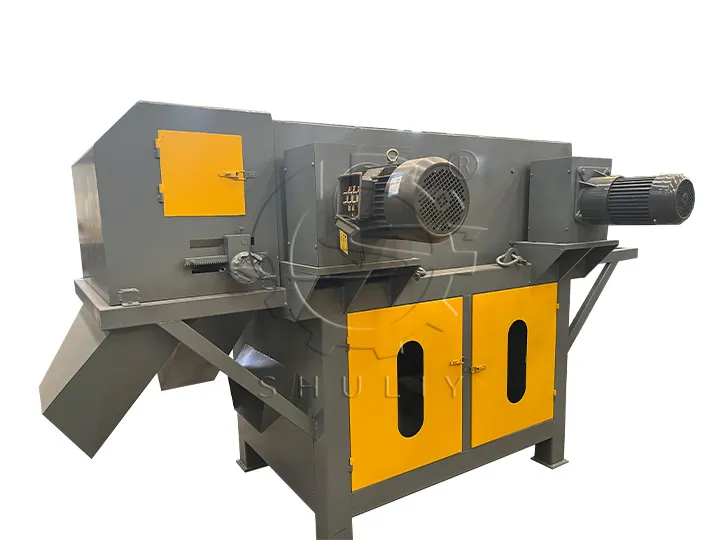
Le séparateur à courant de Foucault est l’une des machines de séparation de métaux non ferreux que nous recommandons fréquemment aux clients dans l’industrie du recyclage. Il est également connu sous le nom de séparateur à courant de Foucault, séparateur cuivre-aluminium, ou séparateur de métaux non ferreux à courant de Foucault. Cet équipement est principalement utilisé pour séparer automatiquement le cuivre, l’aluminium et d’autres métaux non magnétiques des matériaux mélangés, ce qui le rend adapté aux usines de recyclage visant à réduire les coûts de main-d'œuvre et à assurer un fonctionnement stable à long terme.
Dans notre communication avec les clients, nous constatons que la plupart des préoccupations portent sur trois points clés : ce que les matériaux peuvent être traités, la propreté de la séparation, et si la machine est fiable pour un fonctionnement continu. Ci-dessous, nous présentons la machine de tri à courant de Foucault sous ces perspectives pratiques.
Comment nous expliquons le principe de fonctionnement d’un séparateur à courant de Foucault
La machine de séparateur à courant de Foucault fonctionne selon un principe de séparation purement physique, utilisant les différentes propriétés physiques des matériaux dans un champ magnétique. Aucun produit chimique n'est nécessaire pendant le fonctionnement, et aucun gaz ou eaux usées résiduelles ne sont générés, ce qui est particulièrement important pour les clients ayant des exigences de conformité environnementale.
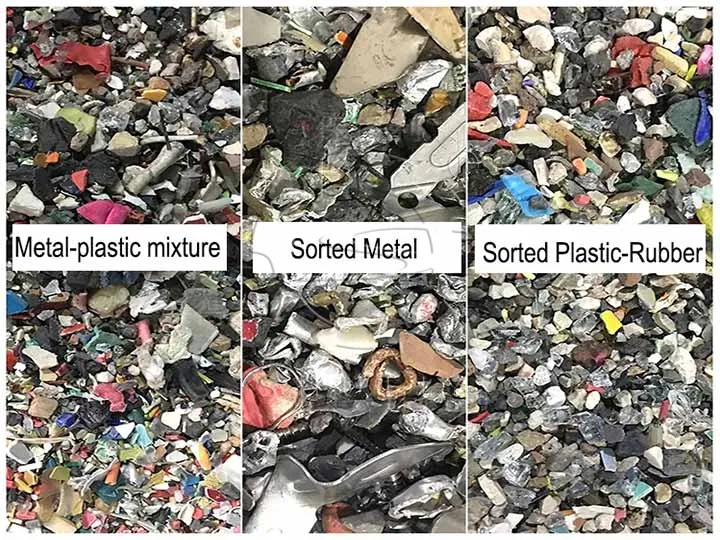
Lorsque des matériaux mélangés passent sur le rouleau magnétique en rotation à haute vitesse, les métaux non magnétiques tels que le cuivre et l’aluminium génèrent des courants de Foucault sous le champ magnétique alternatif. En conséquence, ces métaux suivent une trajectoire différente des matériaux non métalliques, permettant une séparation automatique.
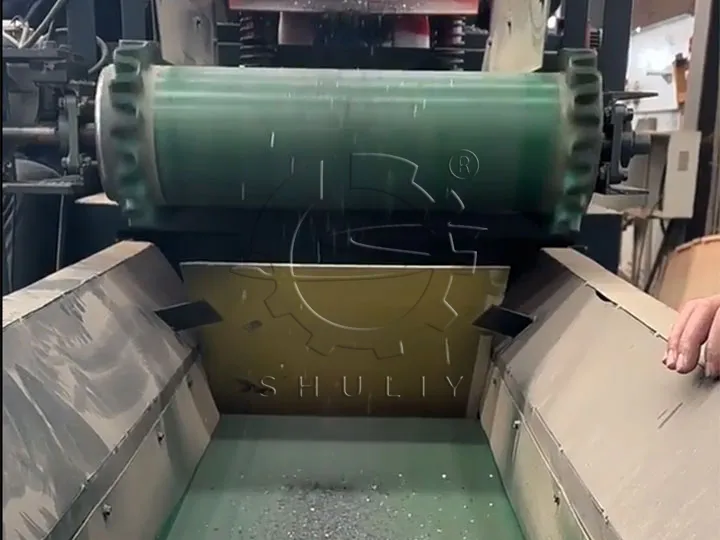
La machine est équipée de quatre sorties de décharge pour différents types de matériaux, y compris une sortie pour plastique, une sortie pour métaux ferreux, et une sortie séparée pour les métaux non ferreux tels que l’aluminium et le cuivre, permettant une récupération classifiée de plusieurs matériaux.
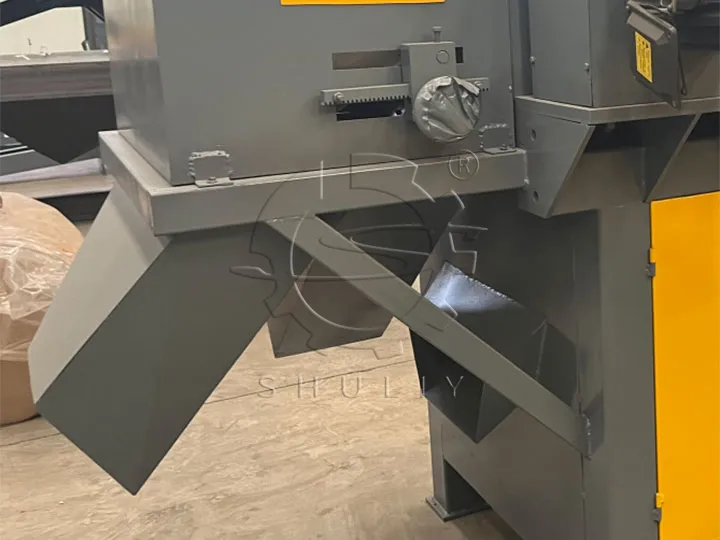
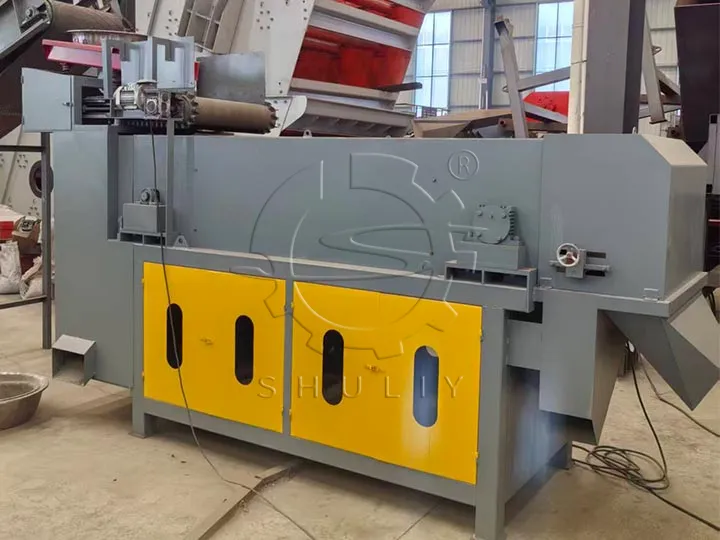
En contrôlant la rotation en avant ou en arrière du rouleau magnétique, la machine peut s’adapter à des matériaux de différentes tailles. Elle offre une performance de séparation stable pour des matériaux d’une taille de particules de 2 mm et plus.
Vidéo de fonctionnement du séparateur à courant de Foucault aluminium
Quels matériaux conviennent à une machine séparatrice à courant de Foucault ?
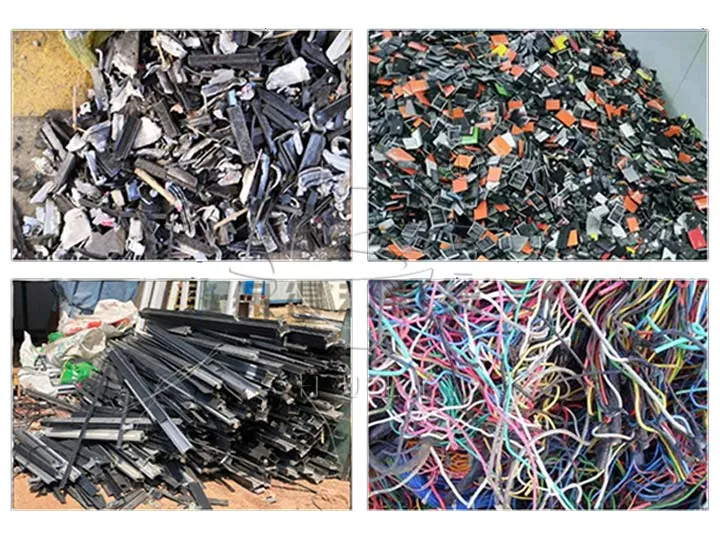
Dans de vrais projets, nos machines de tri par courant de Foucault sont couramment utilisées pour trier les matériaux suivants :
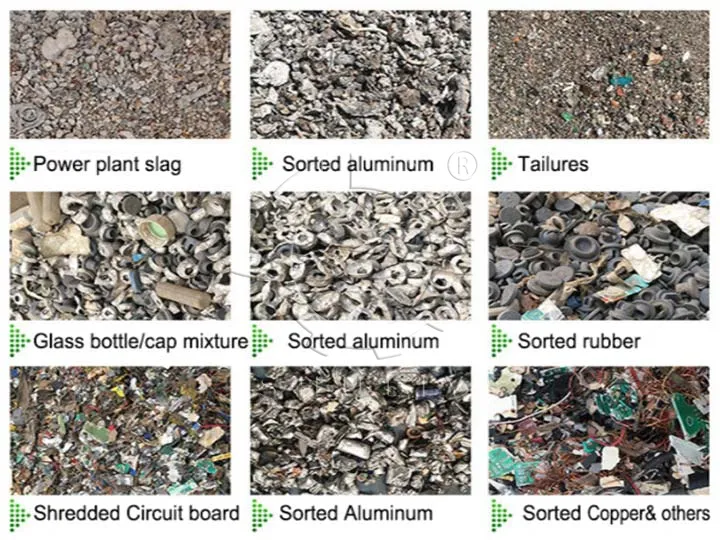
- Déchets municipaux solides déchiquetés
- Déchets industriels et ferraille
- Déchets électroniques et cartes de circuits
- Fragments de verre
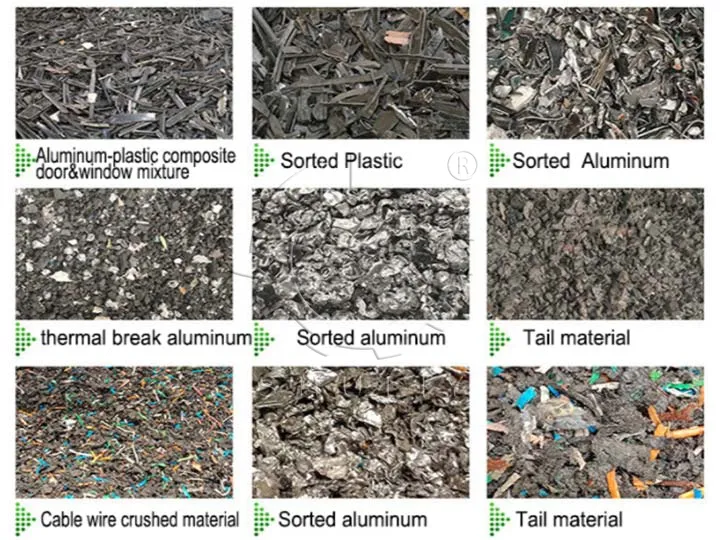
- Portes et fenêtres en plastique recyclé
- Déchets de bois municipaux
- Cendres de fond de chaudière
- Matériaux métalliques mixtes
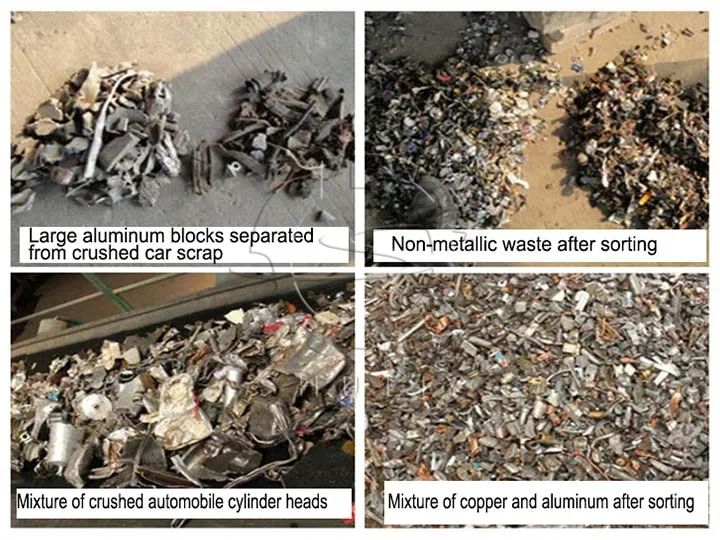
- Voitures en ferraille déchiquetées contenant du cuivre, de l’aluminium et d’autres métaux non ferreux
Si votre flux de matériaux contient à la fois des non-métaux et des métaux non magnétiques comme le cuivre et l’aluminium, le séparateur à courant de Foucault est généralement recommandé comme une machine de tri en aval clé, travaillant en collaboration avec des concasseurs et des systèmes de convoyage.
Pourquoi de plus en plus de clients remplacent le tri manuel
Aux premiers stades, de nombreuses usines de recyclage comptaient sur le tri manuel pour la séparation du cuivre et de l’aluminium. Cependant, à mesure que les volumes de traitement augmentent, les limitations en termes d’efficacité et de cohérence deviennent plus apparentes.
Selon les retours des clients, les séparateurs à courant de Foucault offrent plusieurs avantages clairs par rapport au tri manuel :
- Vitesse de tri stable et élevée
- Haute précision de séparation avec faible perte de métal
- Opération simple avec réduction de la dépendance à la main-d'œuvre
- Facile à intégrer dans des lignes de production automatisées
- Grande adaptabilité à différentes tailles de matériaux
Pour les clients planifiant une opération à long terme et une maîtrise des coûts, la séparation basée sur la machine est une solution plus durable.
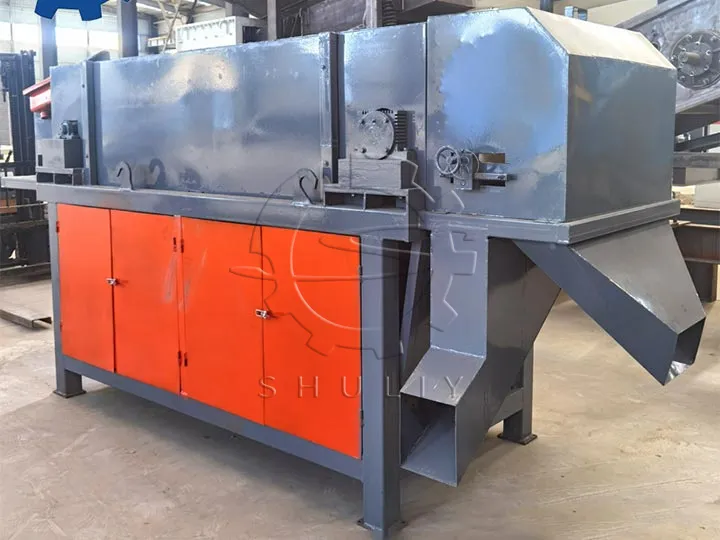
Conception de l’opération et du contrôle pour une utilisation sur site
Système de contrôle intelligent
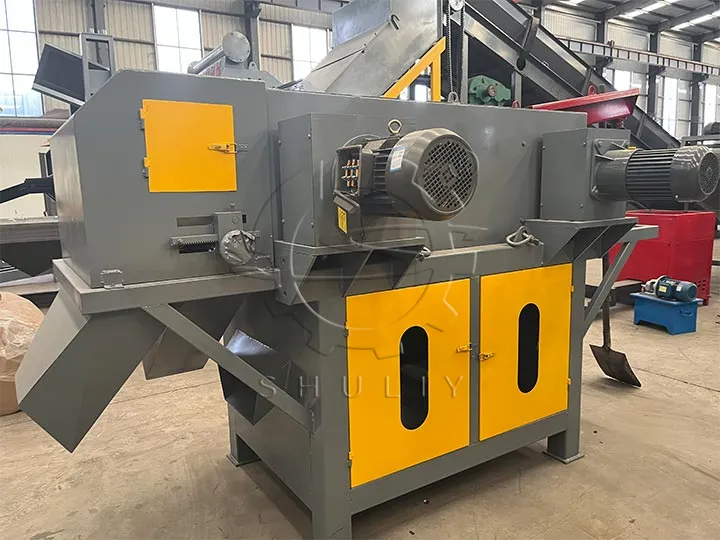
La séparation par courant de Foucault de l’aluminium est équipée d’un coffret de commande à écran tactile intelligent et d’un contrôle par conversion de fréquence, offrant un fonctionnement plus fluide et plus fiable. Les principaux composants de transmission utilisent des roulements importés, adaptés à une utilisation continue à long terme.
Démarrage par bouton unique pour une opération facile
Avec un contrôle automatique par bouton, la machine est facile à démarrer et à faire fonctionner. La fabrication de précision et les techniques de traitement spéciales aident à réduire le bruit et les vibrations pendant le fonctionnement, ce qui la rend adaptée aux environnements d’atelier.
Protection du système magnétique
Le rouleau magnétique est conçu avec une structure de protection du système magnétique efficace, empêchant le détachement du système magnétique lors d’un fonctionnement à grande vitesse et assurant une sécurité à long terme.
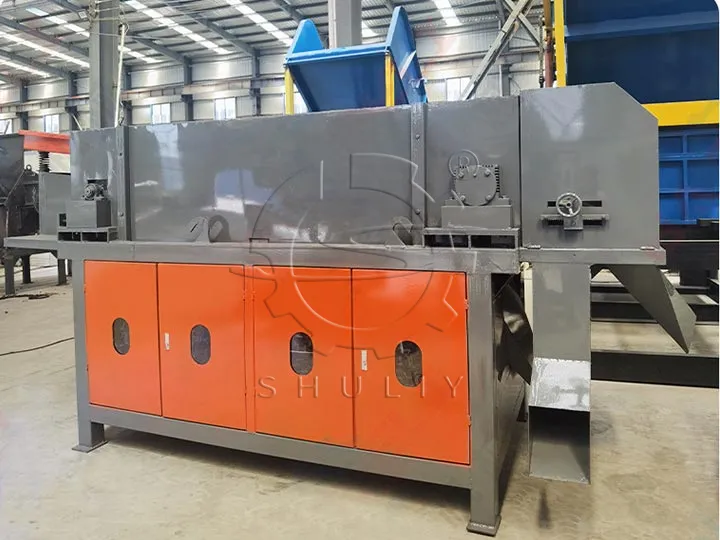
Modèles et paramètres techniques du séparateur à courant de Foucault
| Modèle | Puissance (kW) | Capacité (t/h) | Dimensions (mm) |
| SL-600 | 4.8KW | 500-1T | 3200x1400x1500 |
| SL-800 | 7.2KW | 1-3T | 3700x1600x1700 |
| SL-1000 | 10KW | 2-4T | 3700x1800x1700 |
| SL-1200 | 10KW | 3-5T | 3700x2000x1700 |
Intégration dans une ligne complète de concassage et de tri de métaux
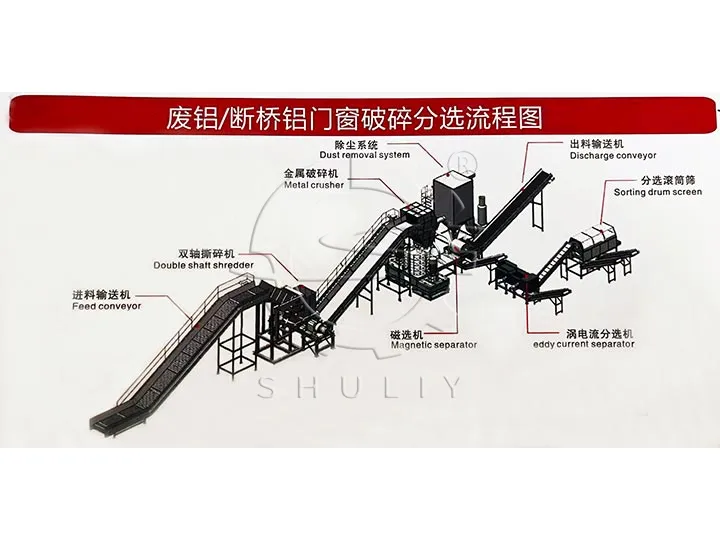
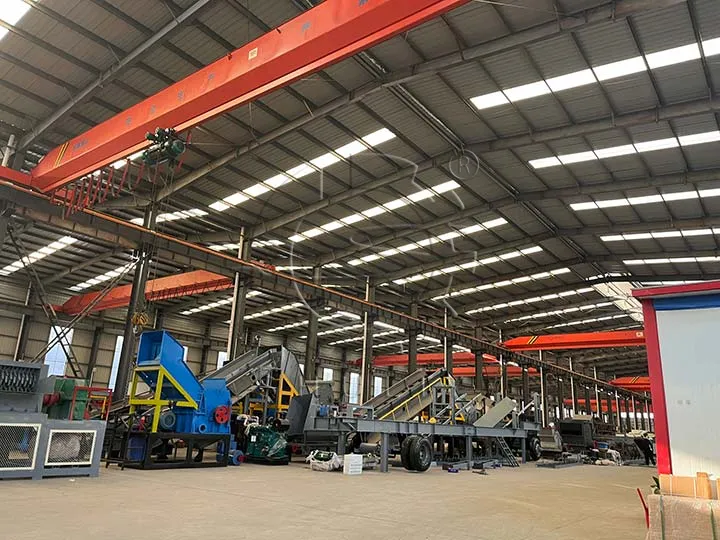
Dans de nombreux projets, le séparateur à courant de Foucault n’est pas utilisé comme une machine autonome mais intégré dans une ligne complète de concassage et de tri de métaux, également appelée ligne de concassage et de tri de rupture d’aluminium (rupture thermique de l’aluminium).
Selon les conditions matérielles différentes, le processus typique est :
déchiqueteuse à métal → concasseur à métal → séparateur à courant de Foucault → moulin de polissage et de dérochage à sec.
Dans cette ligne, la machine à déchiqueter le métal est responsable de la réduction de taille primaire des matériaux de ferraille volumineux, suivie du concasseur à métal pour un broyage et une libération supplémentaires. La séparation par courant de Foucault de l’aluminium joue ensuite un rôle clé dans la séparation de l’aluminium, du cuivre et d’autres métaux non ferreux des matériaux mélangés. Enfin, la machine de broyage à sec est utilisée pour le polissage de surface et l’élimination de la rouille, améliorant la propreté et l’aspect des métaux récupérés.
En tant que fournisseur, nous aidons nos clients à configurer cette ligne complète en fonction de leur type de matériau, de leurs exigences de production, et de leurs besoins en application en aval, garantissant un fonctionnement stable et une séparation efficace tout au long du processus.
Comment nous vous aidons à choisir le bon séparateur à courant de Foucault en aluminium
En tant que fournisseur d’équipements, notre objectif n’est pas seulement de vendre des machines, mais de garantir que la séparation par courant de Foucault de l’aluminium corresponde réellement à vos caractéristiques matérielles et à vos exigences de capacité. En pratique, un séparateur à courant de Foucault est généralement une pièce clé d’une ligne de recyclage complète plutôt qu’une unité autonome.
En fonction de votre type de matériau, de la taille des particules, du débit et de l’équipement en amont et en aval, nous pouvons vous aider à sélectionner le modèle approprié et à fournir une solution de séparation stable et à long terme.
Si vous évaluez un séparateur à courant de Foucault ou souhaitez discuter de ses performances avec vos matériaux spécifiques, n’hésitez pas à nous contacter pour des recommandations plus pratiques et ciblées.