
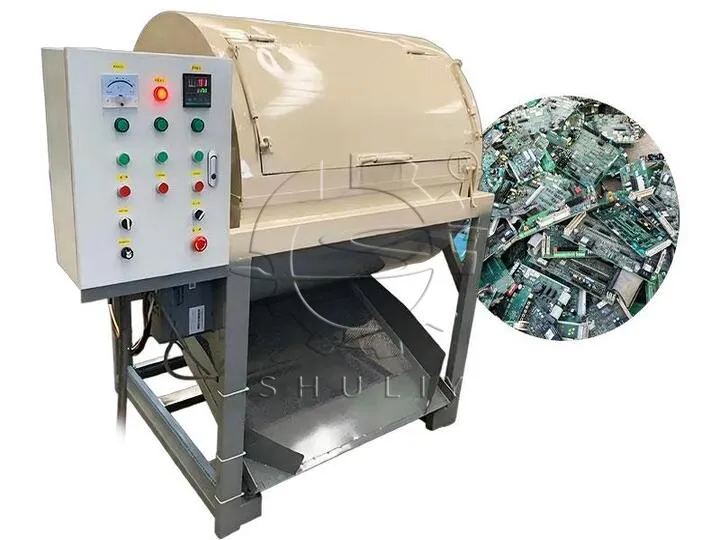
The PCB dismantling machine is a piece of equipment specially designed for the efficient recycling of electronic waste. It is mainly used to remove solder and electronic components from waste PCB boards, separating the circuit board substrate, tin, and electronic components for subsequent sorting, recycling, and reuse. As a pretreatment machine, it can be integrated into an electronic waste PCB recycling line.
What Is a PCB Dismantling Machine?
Our PCB boards dismantling machine is designed to separate electronic components from discarded printed circuit boards. During the dismantling process, the solder on the PCB is heated and softened, allowing electronic components to be separated from the board through mechanical action.
Compared with manual dismantling, the machine provides a more efficient and continuous processing method. It can reduce manual labor and prepare different materials for subsequent recycling processes.
The main materials obtained after dismantling include:
- PCB boards / circuit board substrates
- Tin and solder
- Electronic components
These materials can then enter different recycling and sorting processes according to their properties and recycling value.
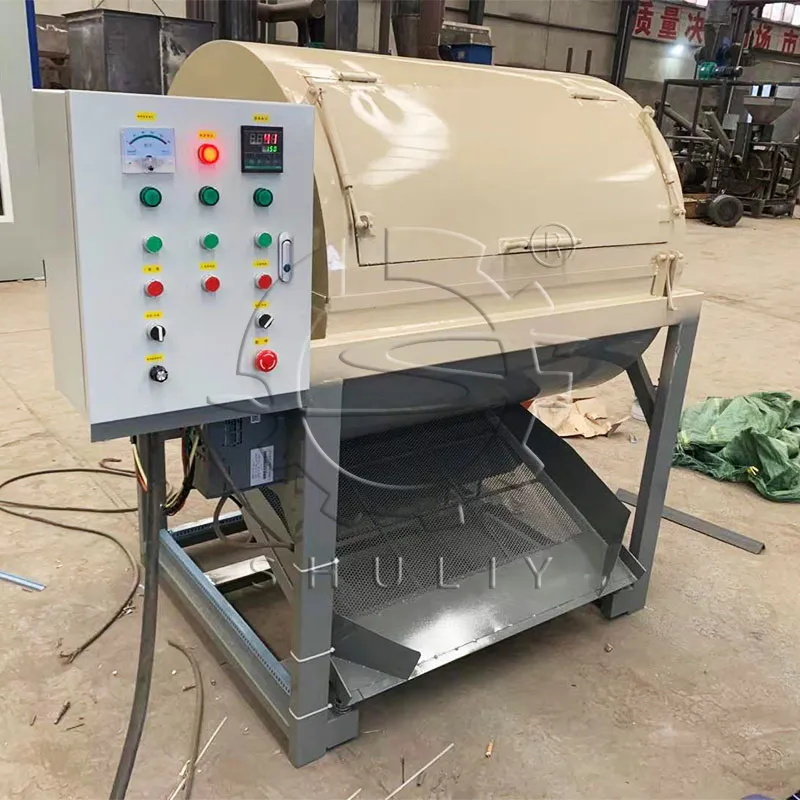
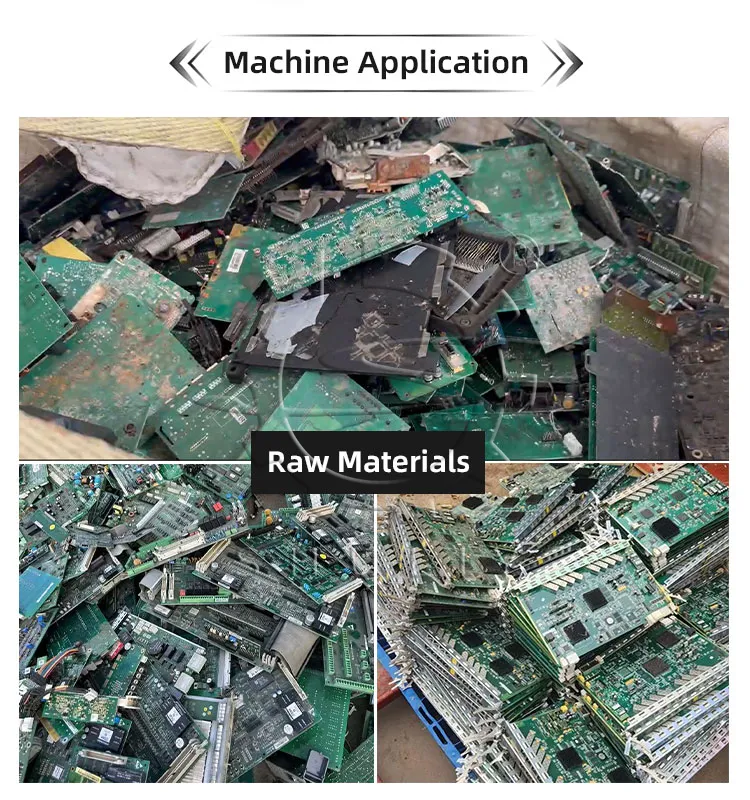
Main Applications of the Printed Circuit Board Dismantling Machine
The main application of this machine is to remove tin and electronic components from waste PCB boards.
It can process circuit boards recovered from various discarded electrical and electronic equipment, including:
- Waste household appliance circuit boards
- Computer and motherboard PCBs
- Electronic equipment circuit boards
- Scrap printed circuit boards
- Waste electrical and electronic equipment (WEEE)
The dismantled materials can be separately collected and sent to subsequent recycling equipment.
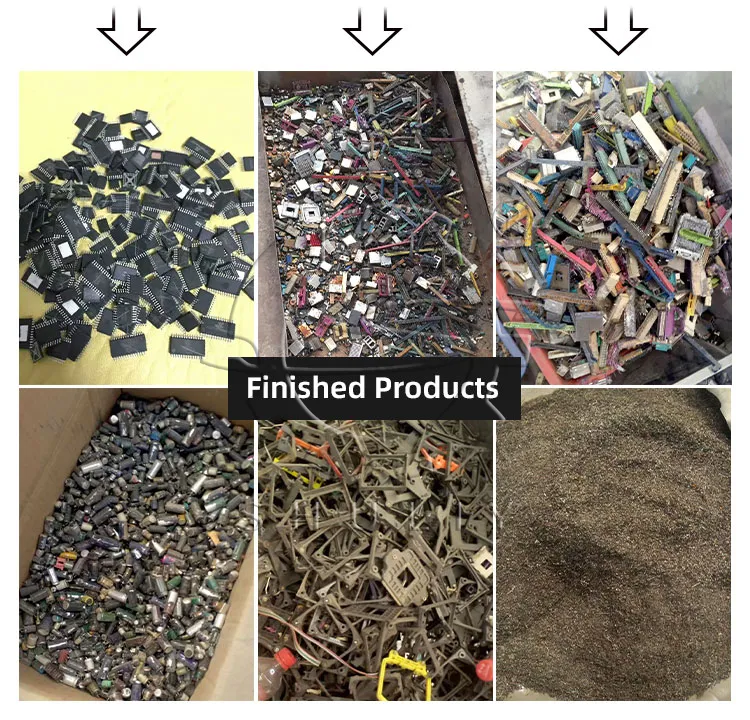
Final Products After PCB Dismantling
The PCB dismantling process separates waste circuit boards into several material streams, mainly:
PCB Boards
The separated circuit board substrates can be collected for further processing in a PCB recycling line.
Tin
The solder and tin removed during the dismantling process can be collected separately and sent for subsequent recycling.
Electronic Components
Resistors, capacitors, connectors, IC components, and other electronic components can be recovered from the PCB boards and sorted according to their type and material.
Working Video of The PCB Dismantling Machine
How Does the PCB Dismantling Machine Work?
The PCB dismantling process mainly combines heating and mechanical separation.
1. PCB Feeding
Waste circuit boards are fed into the dismantling system through the conveyor platform. Different types of discarded PCB boards can be processed according to the machine’s applicable size and material requirements.
2. Heating and Tin Removal
The PCB boards enter the heating section, where the solder connecting the electronic components to the circuit board is heated and softened.
The high-temperature dismantling machine adopts automatic temperature control. The temperature range of the available model is 25–300°C, allowing the operator to adjust the working temperature according to the material and process requirements.
3. Mechanical Dismantling
After heating, the softened solder makes it easier to separate electronic components from the PCB substrate. The automatic dismantling system uses mechanical action to remove the components from the board.
This process replaces much of the manual dismantling work and improves processing efficiency.
4. Material Collection
After dismantling, the mainboard substrate, tin, and electronic components can be collected separately.
The recovered materials can then be further processed in subsequent PCB recycling equipment, depending on the customer’s recycling requirements.
Main Structure of the PCB Dismantling Machine
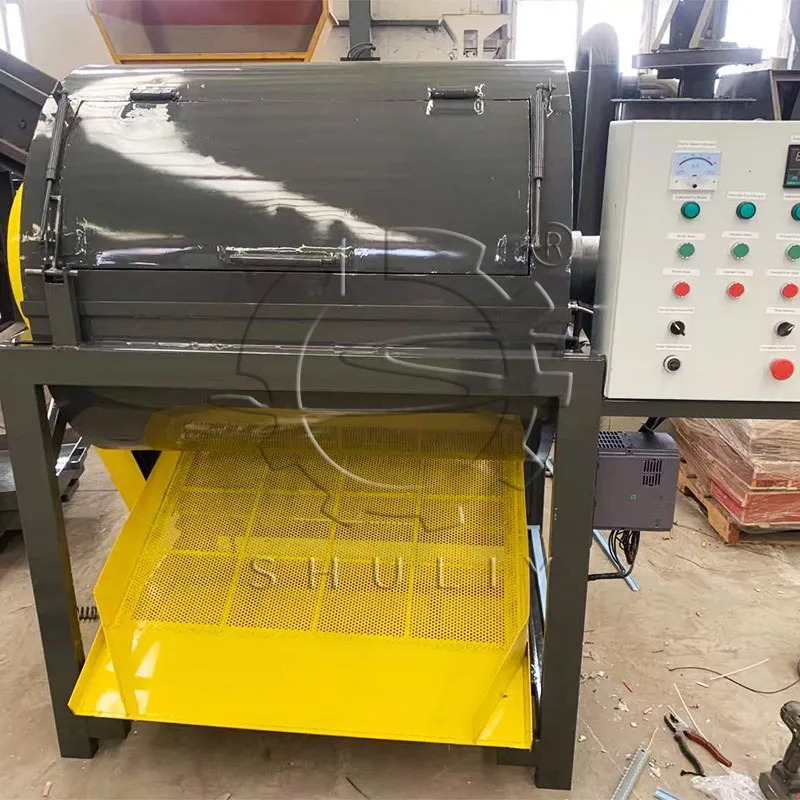
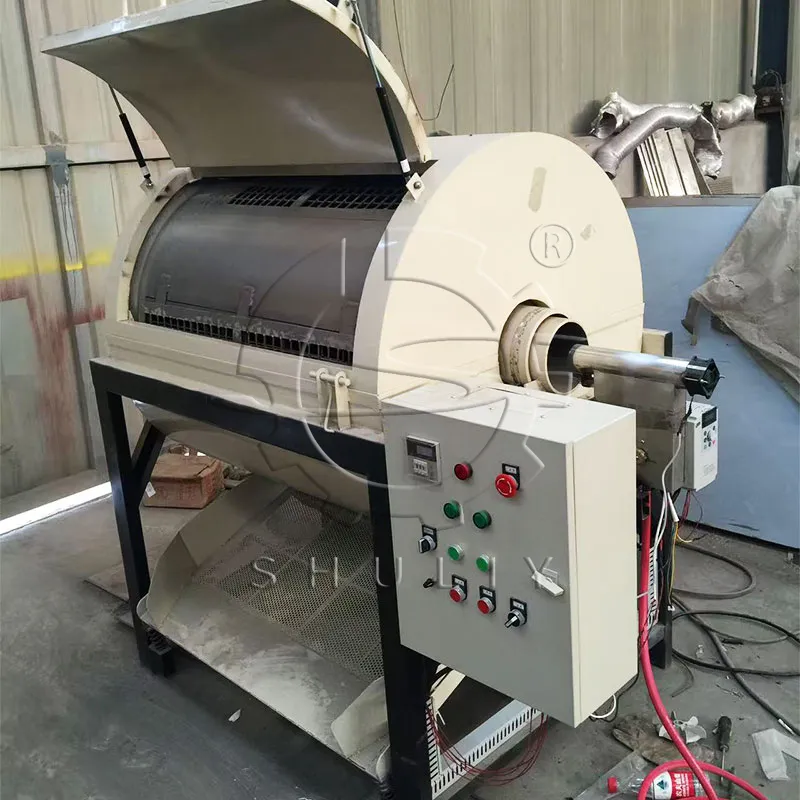
The complete PCB electronic component dismantling system can include:
- Tin removal furnace
- Automatic dismantling machine
- Conveyor platform
- Dismantling chamber
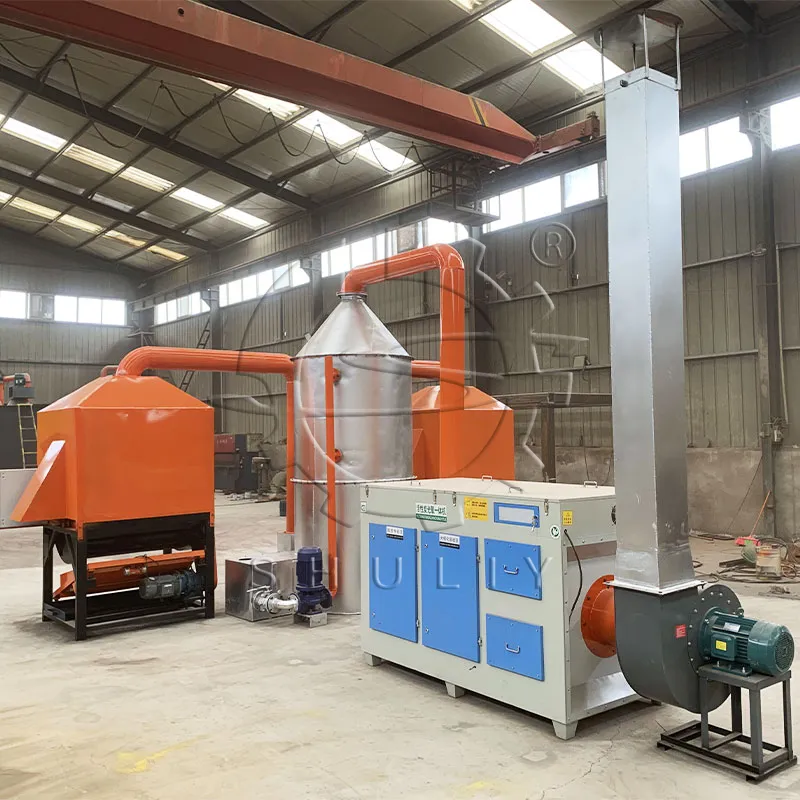
- Automatic dust exhaust system
- Dust collection system
- Electrical control system
The integrated structure allows the machine to perform heating, dismantling, dust collection, and material transfer in a relatively continuous process.
Features of Our PCB Dismantling Machine
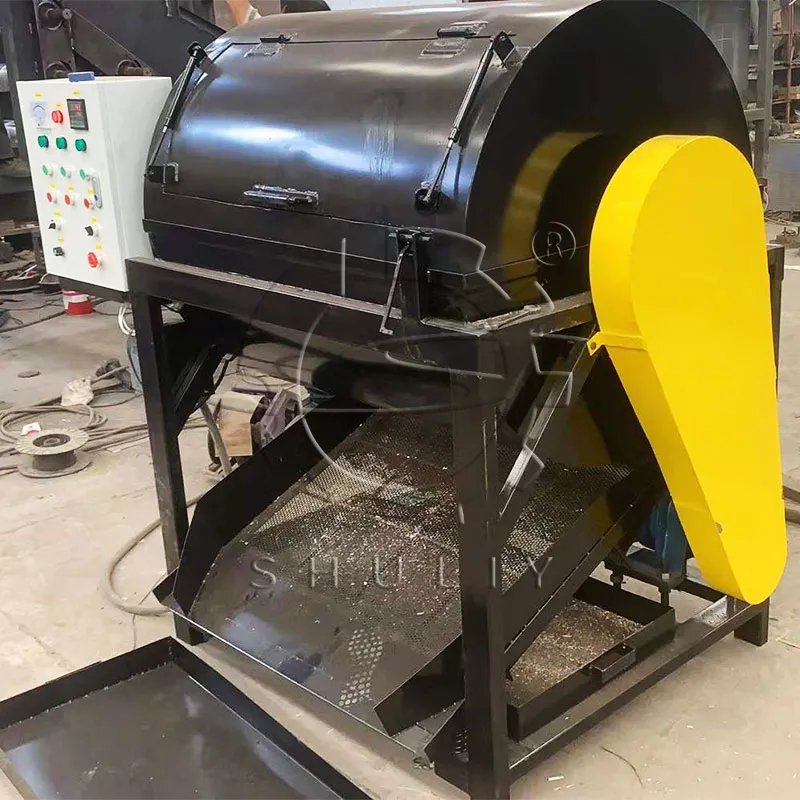
Automatic Temperature Control: The machine is equipped with an automatic temperature control system. The working temperature can be adjusted according to the dismantling requirements, with a temperature range of 25–300°C.
Efficient Mechanical Dismantling: Mechanical dismantling reduces dependence on manual labor and helps improve the processing efficiency of waste PCB boards.
Insulated Heating Structure: The inner cylinder of the high-temperature dismantling machine is made of 6 mm thick No. 45 steel plate. The outer wall uses insulation cotton to reduce heat loss during operation.
Automatic Heating System: The heating system combines automatic temperature control and forced air supply. The set temperature can be automatically memorized, making repeated operation more convenient.
Dust Collection System: An automatic dust exhaust and collection system can be equipped with the machine to collect dust generated during the dismantling process and improve the working environment.
Compact Equipment Structure: The PCB dismantling system integrates multiple functional sections, helping reduce the installation space required compared with separate manual processing stations.
Technical Parameters of Our PCB Component Dismantling Machine
Our PCB dismantling machine is available in different models to meet different processing requirements. The main model parameters are as follows:
| Modeli | Temperature Range | Rotary Speed | Güç | Kapasite |
| 80-90# | 25–300°C | 5–60 r/min | 2.2 + 1.1 kW + 12 kW electric heating | 300–400 kg/h |
| 90-100# | 25–300°C | 5–60 r/min | 2.2 + 1.1 kW + 12 kW electric heating | 400–500 kg/h |
The actual configuration and capacity may vary according to the type and condition of the waste PCB boards.
PCB Dismantling Machine in PCB Recycling
The PCB dismantling machine is generally used as a pretreatment machine in an electronic waste PCB recycling line.
A typical recycling process can be arranged as:
Waste PCB Boards → PCB Dismantling → Component/Solder Separation → PCB Crushing → Material Separation → Recovered Materials
By removing electronic components and solder before crushing, the subsequent PCB recycling process can be arranged according to the actual composition of the remaining board material. We provide metal shredders, hammer crushing machines, density separators, electrostatic separators, and other metal recycling equipment.
For customers who need to process large quantities of waste circuit boards, the dismantling machine can therefore be used as an important front-end processing step before further crushing and separation.
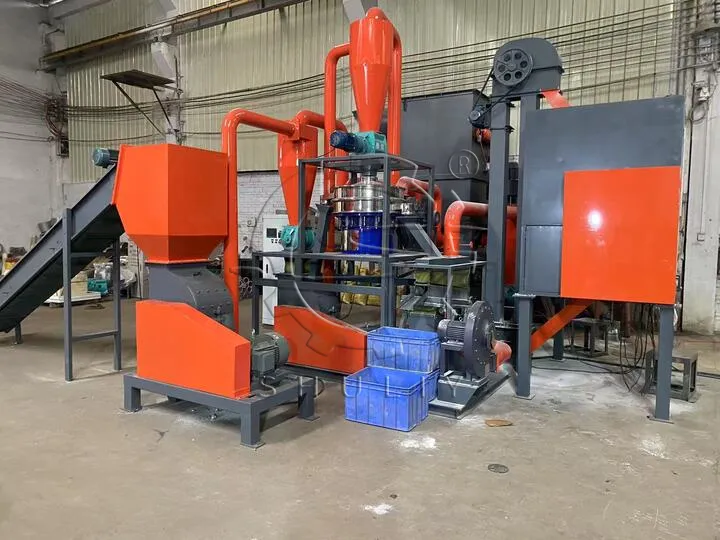
Electronic Component Dismantling Machine Frequently Asked Questions
What is a PCB Dismantling Machine used for?
It is mainly used to remove solder and electronic components from waste PCB boards. The process separates PCB substrates, tin, and electronic components for further recycling.
What are the final products?
The main recovered materials are PCB board substrates, tin/solder, and electronic components.
Can it process PCB boards from household appliances?
Yes. The machine can be used for circuit boards from various discarded household appliances and electronic equipment. The exact applicable materials should be confirmed according to the customer’s PCB type.
Is the PCB dismantling machine part of a recycling line?
Yes. It can be used as a pretreatment machine in a PCB recycling line, followed by crushing, screening, and separation equipment according to the customer’s recycling requirements.
What is the temperature range?
The listed models have a temperature range of 25–300°C, with automatic temperature control.
Get a PCB Dismantling Machine for Your Recycling Project
If you are looking for a PCB dismantling machine for waste circuit board recycling, we can provide suitable equipment according to your PCB type, processing capacity, and recycling requirements. Contact us to discuss your material and receive a suitable machine configuration.